
Chatbot Customer Service capabilities chasing Phone’s tail

Telephone_0

Whether you view Chatbot/ Messenger technology as a passing fad, or believe that chatbots will revolutionize how people communicate and interact, the impact chatbots are having on online experiences is real…and it’s measurable. More recently, the rise of real-time messaging has led to a fundamental shift in how people prefer to connect with businesses.

In the on-demand, real-time world we live in, where everything seems to be just one click away, consumers expect to be able to find the information they’re looking for quickly and easily. The benefits reported in association to Chatbots is that 64% prefer the opportunity to have 24 hour service, and 55% like both an instant response and simple questions being answered instantly. It’s clear that consumers see chatbots as being able to provide that real-time, on-demand experience that they’ve been craving. However, that doesn’t mean chatbots are poised to replace humans. Because when it comes to getting expert answers, answers to detailed questions, and overall friendliness/ approachability, chatbots ranked much lower. Those are areas where humans will continue to shine. Based on a 2018 North Group survey, The phone is still the most popular way to connect with customer service for dealing with payment or billing issues (56%), resolving a problem (54%) and making account changes (43%). What’s important here to note however is the shift in attitudes, as the number of consumers citing the phone as their preferred channel slipped from 49% in 2015 to 43% this year. This shift is being driven in part by younger consumers. Millennials were the only age group to prefer digital means (44%) over phone (34%).

So, just like any emerging technology, chatbots will only become widely adopted if it’s shown that they can solve real problems. Otherwise, the novelty will eventually wear off. Given a lot of Jack locations are 24 hours a day, how are we combating bringing our customer service to 24 hours too? We have the opportunity to bring Jacks character and personality alive too, which could add a playful PR capability to the customer service.
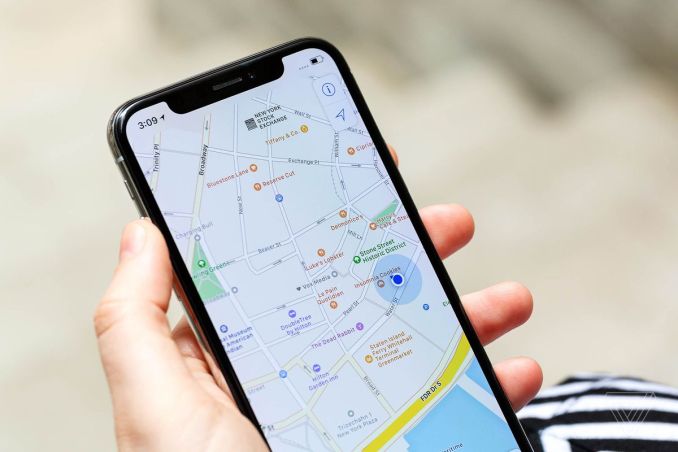
Google Maps will let you chat with businesses

akrales_180620_1777_0011-1533225632

Google Maps is looking to incorporate social functionality by incorporating a chat function with businesses on maps. While it’s well established as a location and direction guide, previously allowing updates for consumers to rate and review businesses, it’s taking a step further in creating that connection between the user and store locations, with the chat functionality. Google sees this as a long-term initiative, driving competition in the likes of Yelp. But what does this function exactly mean for Google Maps’ identity? What is Google Maps now? Will it be the jack of all trades and a one stop shop for direction and more? Or will it only confuse users with a cluttered environment? We’ve highlighted the importance of 24 hour customer service, this chat functionality looks like it’ll further drive brands importance of having instant feedback/ communication, especially when they’re searching out a Jack location.

Facebook to debut “Digital Novel” experience on Messenger

facebook-messenger-101-chat-with-friends-without-facebook-account.1280x600

Facebook has partnered up with best-selling author James Patterson to exclusively release his new novel “The Chef” globally through Facebook messenger. This first of a kind digital novel will allow readers to immerse themselves into the storyline through visual and interactive content. Users will have the unique opportunity to search and interact with characters on Facebook, with exclusive video and audio content to help them tie back to the story. Lastly, Facebook is looking to expand the reader’s experience by providing a community with other readers as well as an exclusive Q&A with the author himself.

This partnership came as an easy step for James Patterson as his short writing style of aligned well with the Facebook Messenger’s platform, this partnership amplifies storytelling’s ability to adapt to new platforms given the adaption of consumers consuming mobile content on-the-go. We as brands to tell stories at scale, but not necessarily in long-written format – an opportunity to engage an audience that are directly leaning into content, in an environment they’re regularly actively participating.

Lyft Rolls Out All-Access Monthly Subscription Plan

1200px-Lyft_logo.svg

First there was software as a service, entertainment as a service. Now there’s mobility as a service.

Lyft has announced the launch of all new monthly subscription plan called “The All-Access” which allows 30 rides per month for an up-front monthly fee of $299. The new program allows Lyft to be one step closer to their goal of making car ownership optional. Lyft’s ultimate message is simple: Ride more with us, and we will help you save money. The company suggesting that Americans on the monthly subscription stand to save 59% each month compared to owning a car.

Lyft, like many brands, has the challenge of finding ways of how stand out against competitors. With this monthly subscription, Lyft has found an edge and new model to drive commitment against competitors. Paying up-front in exchange for the promise of paying less overall, which is much more effective at getting ongoing customers rather than trying to undercut rivals through lowering fares.

While the QSR space is extremely competitive, is there a way to leverage the trend of an upfront subscription model to apply to the QSR loyalty space? Particularly leveraging our mobile app to help drive this?