Laws Could Stand in Way of Cashless Retailers

cash


Earlier this month, Philadelphia passed a bill rendering cashless stores, such as Amazon Go illegal and banned future establishments from also completely abandoning a cash payment option. Cities such as Washington D.C. and New York are also in the process of following suit as well. An October 2018 study from Pew Research Study showed that 70% of US adults used cash last year for at least some of their purchases during a typical week. Another survey by Cardtronics said that 90% of adults view cash as essential to those without checking or savings. While Philadelphia’s ban emphasizes the importance of cash transactions, it is unlikely that this will negatively impact consumer adaption of payment technologies. This year, it is estimated that 27.4% of smartphone users in the US will use a mobile phone to make a payment at the physical point of sale.

The key take away here is that despite advances in mobile payment options, cash transactions are not going anywhere at least in the near future. Businesses just want to make the consumer experience as frictionless as possible – which means more than having the most advanced payment option, diversifying payment options, whether in accepting card, cash, or mobile is more important.

This is important to note for Jack in the Box since the majority of transaction at restaurant locations are all cash based, and will probably continue to be cash based for the foreseeable future. However, by including different forms of mobile payment systems shows inclusivity and convenient solutions for those who don’t always travel with their wallets or cash.
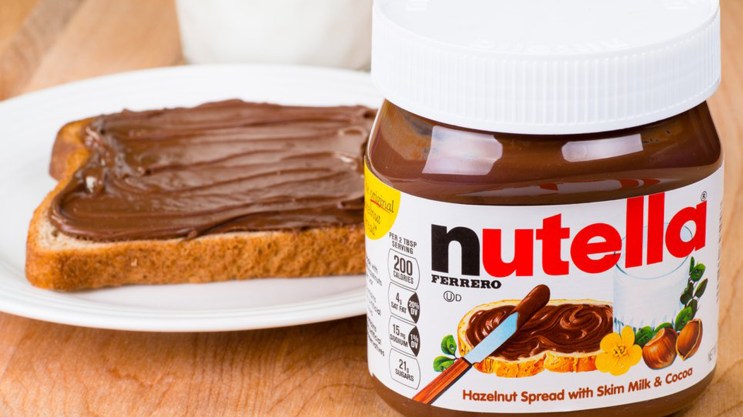
Nutella Serves Up Free Samples To Alexa, Google Assistant Users

nutella-tease-today-170112_d59ff87e48af0a4e3e58d65698a13349.jpg

Cult favorite chocolate-hazelnut spread brand, Nutella, offered Amazon Alexa users free samples of their products for one day only. The Alexa owners had to register online to input personal information and shipping address locations but had to voice command their Alexa device to “send me a sample of Nutella” to activate the offer. The parent company of Nutella, Ferrero, is the first company to use a voice-controlled ordering tactic like this for sampling campaigns across the US.

Sampling products is an effective way to grow a consumer base by allowing people to try an offering to those who might not want to commit to buying a full price product. It is no secret that people love free things and Nutella decided to capitalize on this innovative tactic that no other brands were yet to activate, by providing consumers that first-time user experience as added value – of course that drives strong brand love. Knowing how heavily invested Jack is in E-sports, it would be a fun way to integrate in-game delivery ordering during play which seems no other QSR brand has done before. Anything to keep the brand top of mind while providing the consumer a personalized experience is key to retaining loyalty and expanding the audience base.

To Protect Its Business, Kroger Is Building An Amazon-Style Flywheel

Current_Kroger_logo.svg

Kroger is making a push to move their audience away from its traditional retail business model and moving more towards their online presence. Reports have shown year over year that businesses are ditching the traditional model of focusing solely on in-store purchase and shifting to a heavier online presence. The business is being threatened by Amazon’s business and is looking to be where consumers are naturally gravitating towards buying items online and having it conveniently delivered to homes without much effort for the consumer

Kroger sees the value in having their online business be a one-stop shop. Shoppers are now craving convenience more than ever. Platforms such as Amazon are providing ease in the shopping space but now brands are finding their way back to offer similar service. Jack has the ability to compete in this space by pushing through delivery options for online customers. Having a platform that offers the customer one single platform where they can shop, order and pay all in one boosts customer loyalty.

Study: 75% of consumers want more rewarded content like videos, surveys

Pandora

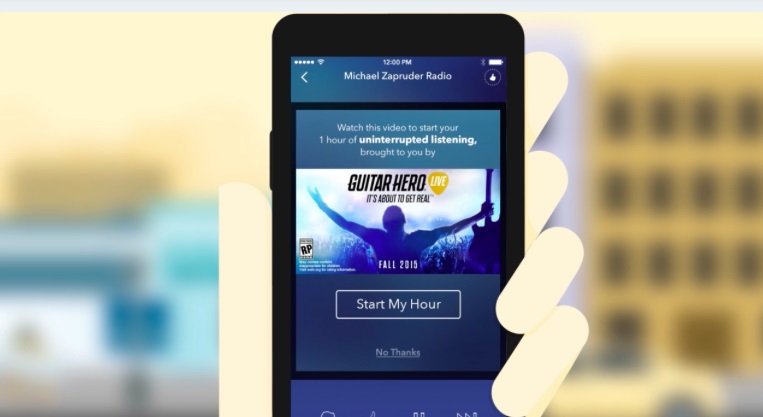
Consumers who are frequenters of business often expect some form of reward for their persistent purchases. Studies have shown that to get these rewards people are now willing to follow through with alternative ways to get the rewards. According to Merkle backed HelloWorld, about 61% of people surveyed stated they want to be surprised by their next brand sponsored reward. This surprise may include watching branded videos or taking surveys in exchange for exclusive content or discounts. For instance, the ad supported version of Spotify often gives people an ad-free hour of streaming if they opt-in to watching a :30 promoted ad. If Jack could provide consumers with added incentive through exclusive content, brand sentiment would be positive.

The HelloWorld study states that mobile app was the preferred method of accessing these loyalty-based rewards because of the increasing YOY sift of online activity from consumers. Since online devices can be easily retargeted based on people’s purchasing behavior, it makes the most sense to “surprise” consumers via mobile app offers. Since Jack is looking to surround themselves in those lean-in moments, and it’s harder than ever to garner attention of the consumer, looking to align with platforms that provide consumers with an incentive such as a first look access at exclusive content or movie premier etc. in replacement for viewing an ad will help drive brand love and resonance.

What is next for AI Chatbots in 2019?

AI.jpg

As branded Chatbots continue to service customers, the negative backlash continues surrounding their inability to handle unique, specific or pressing questions from customers. Given Bots are not designed to handle questions of this granularity, it can leave people feeling dissatisfied with the service they’re receiving. Fortunately, there is new advancement in Chatbot Technology that has been built to counter this problem: AI powered Chatbots. By leveraging machine learning and natural language processing, these more sophisticated Chatbots are able to respond in a more natural, human way. Some of the best Chatbots currently serving consumers and businesses in 2019 are: Watson, Bold360, Rulai, LivePerson, Inbenta, Ada, and Vergic. These Chatbots all have an aspect of greater sense of personalization to the consumer that almost provides the experience of communicating smoothly with another human being. They are pre-trained with content in their specific industry, that can understand historical chat or call logs, and a times, can even predict user behavior and grasp customer preferences.

Today, personalization of service is the key to reaching and keeping consumers brand loyal. If someone has a bad customer experience, whether it be online or in person, it can ruin that particular brand for that person for years to come. Given consumers associate Jack as the brand of JIB, we need to ensure that when we launch into this space that we create a customer experience that is as seamless, and efficient as possible to ensure no negative backlash. However the possibilities are endless in bringing Jack’s voice to live via AI for consumer interaction and we’re excited to start testing opportunities surrounding this in the coming future, whether starting in platforms such as Waze etc. to drive that voice association between AI & Jack.

How Podcasts Spell Huge Opportunities For Brands and PR Houses

podcast.png

Podcasts are becoming a prime space for brands to capture audiences at their most engaged level. With over 2.6 billion downloads in 2018, podcasts are a growing platform that are continued to be viewed as valuable ad space. Streaming audio giant Spotify recently required Gimbal, the major podcast production company to help add more programs to their already growing library. This acquisition will provide brands a new avenue to purchase ads within podcasts to reach their intended audience.

We’ve seen examples of brands who have launched their own branded podcasts, Trader Joes being a successful example. Their branded 5-part episode podcast was un-expectedly in the top 10 Podcast download, featured on Apple Podcast. Joes has become a cultural phenomenon because of their affordable yet highly unique products. This podcast saw great success, why? Because people want to know more about relevant brands because they want to do be a part of a bigger social conversation. McDonalds had a limited series podcast in which they discussed their perceived disaster strategy campaign of releasing their widely popular Szechuan Sauce out to the public. This PR stunt saw great success given McDonalds provided consumers the behind the scenes storyline. Staying on top and ahead of cultural moments, or purely providing more insight into our business is key for brands to continue to cut through the clutter and have a voice. Ultimately this showcases the power Brands have, if done correctly, to drive a loyal and engaged fan base. Jack brings such a unique voice to the QSR landscape, it would be a natural fit for us to align with a podcast or better yet, create a podcast that holds true to our brand values that attracts that younger, more engaged audience.

A New Kind of ‘Drive Thru’

kfc fb

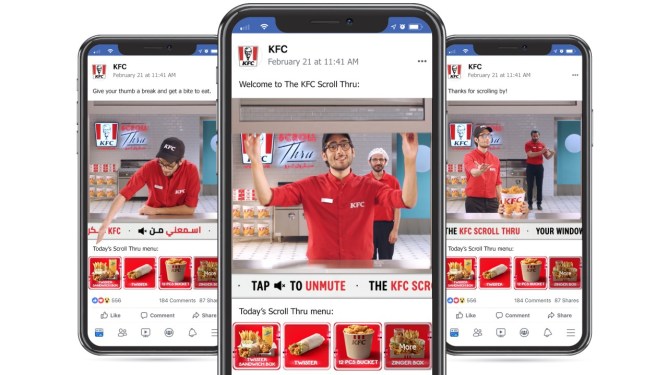
KFC Middle East is taking the experience of a ‘drive thru’ and replicating this within Social Media feeds. In the appearance of ad, a virtual window is rolled down to reveal a KFC employee who greets the guest (the person scrolling), and asks how he can assist them satisfy their KFC craving with suggestions of menu items available. Users can then swipe through and have the capability of ordering instantaneously.

Consumers online today are very smart, and are weary of ads interrupting their online experience. KFC has opted for a more engaging unit, rather than pure awareness assets such as video and static imagery which can often get scrolled past within a split second to combat this. They’ve also looked to bring delivery to a platform where consumers already are, rather than trying to direct them to another platform/app so the consumer can easily pick what he/she is craving and place an order without interrupting their online experience. We’ve seen Taco Bell recently create the first ‘ski thru’ drive-thru, KFC with an Instagram feed drive-thru, so what are we at Jack with the Drive-thru space given we were the real innovators (OG) of Drive-thru in the QSR space?


Hermes Adds Augmented Reality Video Messages to its Parcels

ar vr

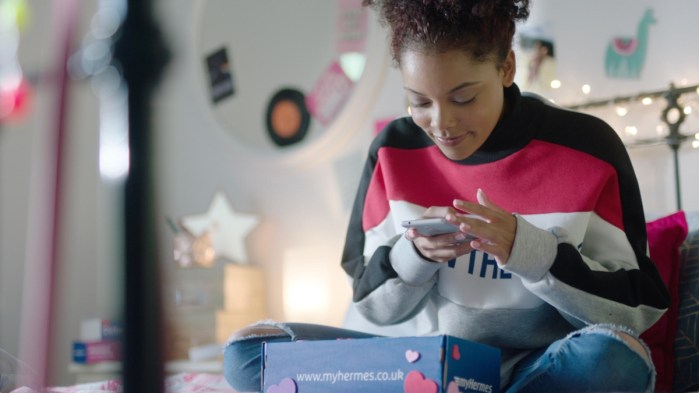
The delivery company Hermes wants to make package deliveries more personalized and meaningful by giving the sender a chance to connect with the recipient via a personal video message. To do this, their Innovation Lab created Hermes Play, which allows a pre-recorded message to be uploaded via the Hermes Send App. A 2d barcode can be scanned on label by the recipient to view the video message, which will be displayed using AR that plays on the parcel itself.

With a decline in personal hand written cards over the years, and the act of even picking up the phone to call friends/relatives becoming almost obsolete, Hermes is looking to become the modern solution to intimate connections with these AR video messages. With big events such as Mother’s/Father’s Day, Valentine’s day, etc. can Jack inject himself into the movement and drive an emotional response from our consumers with personalized ‘Jackogram’ AR style messages/content?

The Price of Pork Domestically is Very Low, and QSRs Have Taken Advantage of This

bacon

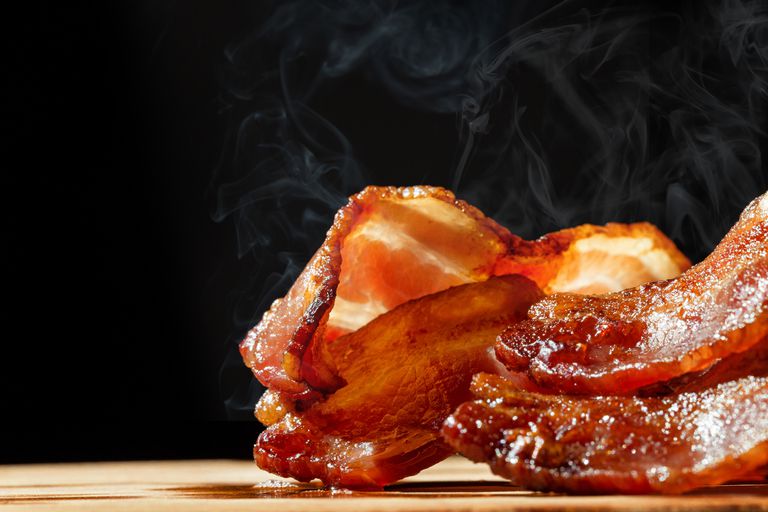
The influx of bacon included within Fast Food menu items is not a coincidence, but the result of an all-time low cost for Pork in nearly a decade. This drop in price has QSRs not only taking advantage in terms of product inclusions, but rather competing to showcase they have the best bacon items in market. The price of Pork in 2019 can be attributed to the 2018 tariffs on Chinese imports. With US hog producers now lowering their prices to move more of their products domestically, Fast Food chains have swooped right in at the opportunity to purchase Pork in bulk.

While some QSRs chains allege the price of Pork has nothing to do with their new bacon menus, it’s an easy conclusion to attribute it to the recent politics in domestic and foreign tariffs. Outside sources as well. Other products have also contributed to the surge in products such as Cheese. This is a challenge for QSRs given that many external factors can tend to influence products and thus QSRs themselves, whether political, environmental, financial etc. Understanding the future implications, both from a potential advantage or challenge in determining LTO’s and existing item planning for Jack is important. But furthermore, if the competitive marketplace is facing the same external contributing factors, how are we pivoting or wordsmithing differently from the competition to differentiate ourselves?

Air Asia Launches Own Fast Food Restaurant

AirAsia-X

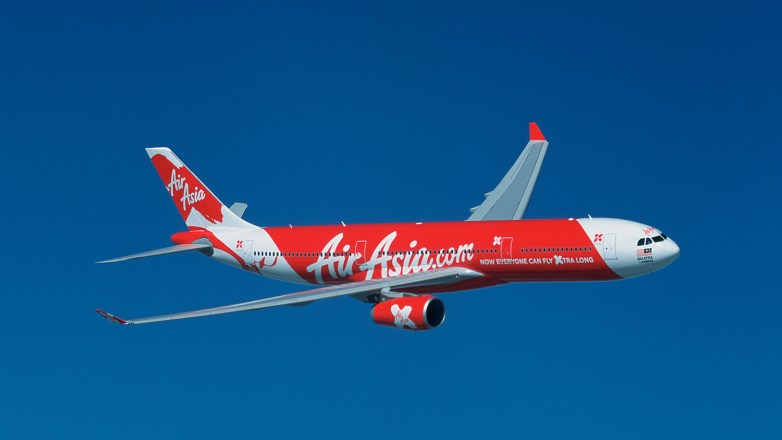
Normally, the first thought someone has about airplane food is negative. But Air Asia is looking to change that perception by launching its own fast food restaurant, Santan, which means coconut milk in Malay. They’ll be featuring in flight food options to show that airplane food is not bad at all and that it’s even competitive to other QSR options. If all goes well, Air Asia will be successful in turning the image of soggy, tasteless airplane food, and familiarize future travelers with their food. To embrace the idea of providing accessibility to people from all cultures, Santan will have a wide range of menu, including Halal options. This concept of an airline jumping into the food space is not new. in 2017, Air New Zealand had a pop up in London called “This is How We Fly,” which showcased a high end menu that consisted of lamb with minted peas and salt roasted crushed new potatoes with mint jelly. While it was mostly a PR stunt, this brought the concept to consumers’ minds that their luxury and airplane food can indeed go together.

Air Asia is leaning into changing perception of a negative part of their business to elevate their brand and people’s experience. This shows that brand image and perception heavily impacts purchasing power. How can Jack work to use the brand’s voice to connect with consumers beyond the LTOs?