GoT Final Season: A True Cultural Moment for Brands

game of thrones brands

Every summer during the past 8 years, Sundays were marked as a holy day bringing friends and families together (or apart). We’re talking about Game of Thrones.

It’s become a household name, a conversation topic for both viewers and nonviewers, and with the finale this year, brands have gone all in to take advantage of this cultural moment. We’ve seen bigger plays such as Oreo’s limited-edition of insignias on the cookies and Mountain Dew temperature-triggered Arya’s kill list revealed, both receiving love all over social media. Starbucks unintentionally took part in this when a scene accidentally featured a Starbucks to-go cup in front of Emilia Clarke, resulting in about $2-3 billion in free advertising with #StarbucksCup uproar.

Over 100 brands have partnered to incorporate GoT in the consumer journey, from SuperBowl TV ads to packaging, and products and merch, and even tattoo designs.

What does this mean? It means that brands are taking “cultural moments” farther than traditional tentpole events, like the Oscars and Super Bowl. We’re not only looking for the next Super Bowl, but we are looking for the next Game of Thrones.

What does this mean for us? It means that it’s time to rethink the definition of “cultural moment”, as something that people are waiting for, rather as an opportunity to shape how people think such as the Curly fry moment.
Nike Launching Smart Shoes

Image result for nike ar

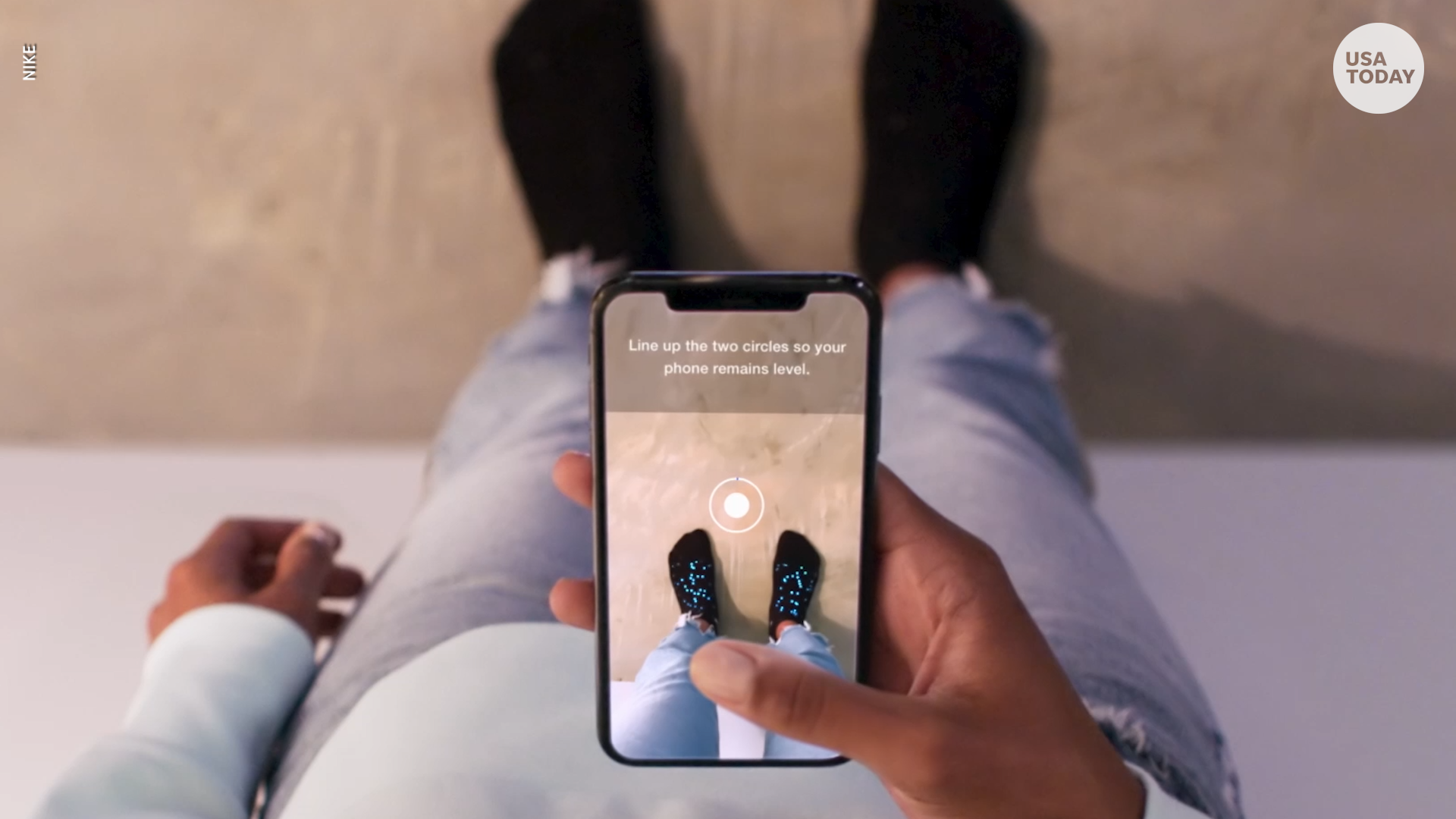
Smart phone, smart cars, smart homes, what’s next? Nike is launching an AR function within the Nike app so users can scan for the correct shoe size. This came from an insight that 60% of consumers are wearing the wrong shoe size. Now using the app, customers can get the most accurate suggestion down to the millimeter.

Nike has always been an active player in incorporating technology, so it’s no surprise they’re continuing to push the boundaries of innovation by acquiring a 3D scanning company that uses real data to provide a service that no one knew they needed and bringing convenience right to them. While most people don’t see the need to measure shoe size, Nike aims to educate consumers on why this is important, especially since the wrong shoe size can lead to serious physical injuries.

This is not only a cool feature to have that affects the point of purchase, but this also means more data for Nike in regard to their target. Now depending on the age, Nike can make predictions to when the customer is most likely to look for a new purchase and be in the forefront of the mind.

Walmart Will Let You Shop For Groceries Using Google Assistant

nexus2cee_google-home-4

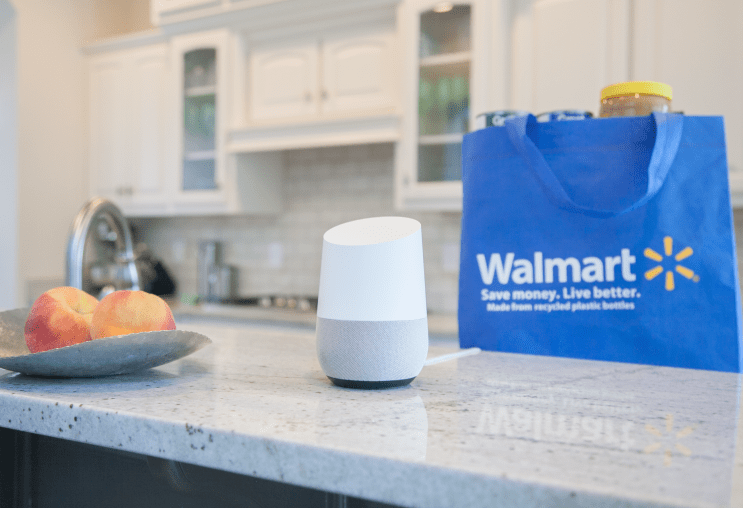
Retail superpower Walmart announced that it has partnered with Google to offer voice-controlled Google Assistant grocery shopping for customers. This announcement comes on the heels of voice-ordering innovator Amazon acquiring Whole Foods and declaring they were going to slash prices company-wide. The company has created a new command with Google Assistant so anytime someone says, “Hey Google, talk to Walmart” the user will automatically be taken to their virtual shopping cart. Right now, the function only allows for customers to voice-order fruit and basic groceries from Walmart. In the press release there was mention that this new feature will use AI to remember reoccurring orders and recommending it when people ask for that specific item.

The push for voice-ordering from Walmart and other retailers in the space is due in part to the recognition that shopping habits in the United States are shifting drastically. As more people have access to order through mobile devices and home assistant, the less there is a need for consumers to physically shop in-store. The dynamics of purchasing behavior is due to the connectivity of devices people are using every day. It’s important for companies and brands to adapt to rapidly changing purchasing habits of consumers.

Nutella Serves Up Free Samples To Alexa, Google Assistant Users

nutella-tease-today-170112_d59ff87e48af0a4e3e58d65698a13349.jpg

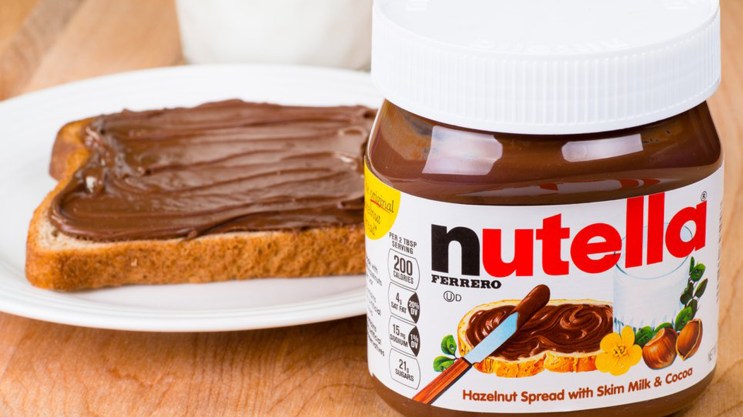
Cult favorite chocolate-hazelnut spread brand, Nutella, offered Amazon Alexa users free samples of their products for one day only. The Alexa owners had to register online to input personal information and shipping address locations but had to voice command their Alexa device to “send me a sample of Nutella” to activate the offer. The parent company of Nutella, Ferrero, is the first company to use a voice-controlled ordering tactic like this for sampling campaigns across the US.

Sampling products is an effective way to grow a consumer base by allowing people to try an offering to those who might not want to commit to buying a full price product. It is no secret that people love free things and Nutella decided to capitalize on this innovative tactic that no other brands were yet to activate, by providing consumers that first-time user experience as added value – of course that drives strong brand love. Knowing how heavily invested Jack is in E-sports, it would be a fun way to integrate in-game delivery ordering during play which seems no other QSR brand has done before. Anything to keep the brand top of mind while providing the consumer a personalized experience is key to retaining loyalty and expanding the audience base.

To Protect Its Business, Kroger Is Building An Amazon-Style Flywheel

Current_Kroger_logo.svg

Kroger is making a push to move their audience away from its traditional retail business model and moving more towards their online presence. Reports have shown year over year that businesses are ditching the traditional model of focusing solely on in-store purchase and shifting to a heavier online presence. The business is being threatened by Amazon’s business and is looking to be where consumers are naturally gravitating towards buying items online and having it conveniently delivered to homes without much effort for the consumer

Kroger sees the value in having their online business be a one-stop shop. Shoppers are now craving convenience more than ever. Platforms such as Amazon are providing ease in the shopping space but now brands are finding their way back to offer similar service. Jack has the ability to compete in this space by pushing through delivery options for online customers. Having a platform that offers the customer one single platform where they can shop, order and pay all in one boosts customer loyalty.

How Popular Brand YETI Made Their Expensive Coolers a Status Symbol

HTB1.1xTLpXXXXatXXXXq6xXFXXXc

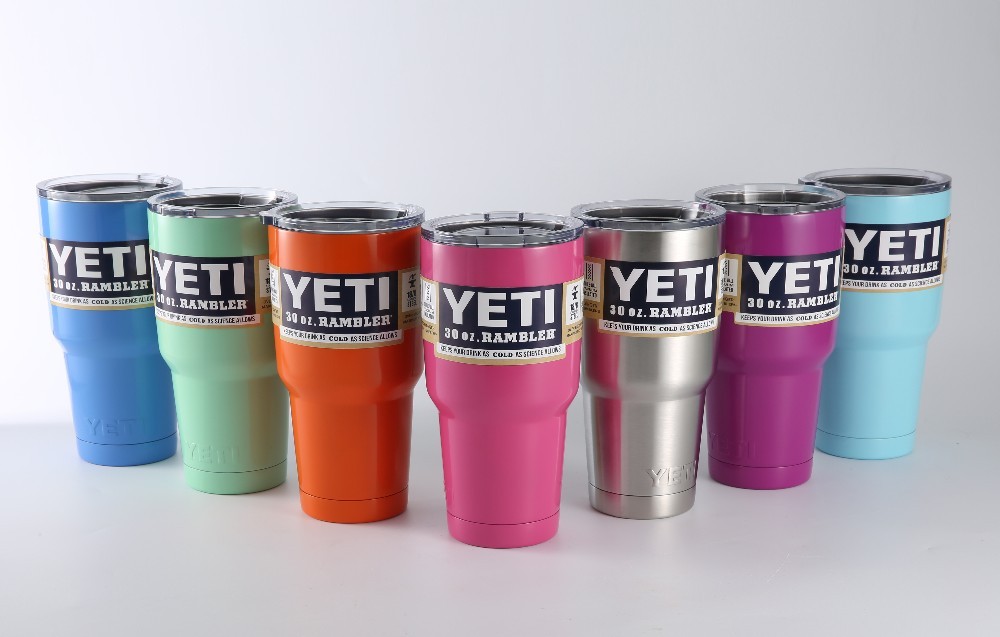
YETI coolers have become a recent status symbol in the United States, as their high-tech coolers range from $200-$1,300. Although there are other brands like Coleman and Igloo who make comparable sized coolers with similar technology to keep temperature low for around $40, why do consumers still choose YETI over them?

Similar to Hydroflasks and Patagonia, YETI competes not only with the quality of the product they’re selling, but also by buying the loyalty and trust of their consumers. Quality has become non-negotiables; everyone has the technology. But these brands are selling dreams – they create an aspiration on what you could do with the cooler, not what you’ll actually be doing.

This high loyalty marketing is becoming the powerhouse of moving consumers’ morals and beliefs. Consumers are less tied to the products, but consider what the brand stands for as more important – like we’ve seen with Nike with Kaepernick, and Patagonia with environmentally awareness, etc.

App downloading is the start of showing loyalty. However, it cannot end here. How would Jack consistently earn consumers’ trust especially in the QSR realm, where consumers have high cross-shopping tendencies and low brand loyalty? Our challenge is to create that halo effect for overall brand trust beyond each product.

More Retailers are Jumping into Dynamic Pricing

ABV-Cartwheel-Header

Target is one of the major brands effectively using dynamic pricing: a user is targeted with a higher price point, then retargeted with a discounted price. As more retailers are pressured by the giant, Amazon, this has become an alternative to give the impression of a lower price. Uses are various, such as targeting frequent customers with exclusive discounted offers to retain their loyalty, or based on the user’s location to drive in-store traffic.

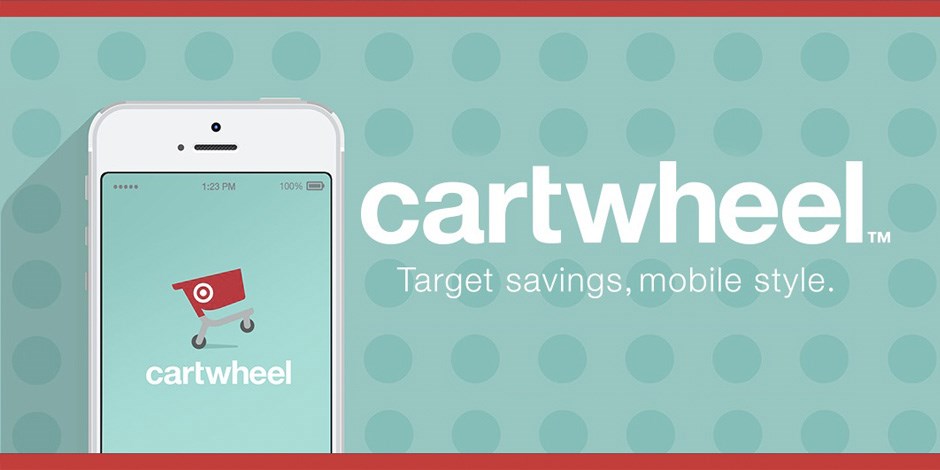
While this may initially be a smart idea, this can also backfire once the customer finds out that prices can change based on their information. Target has used this to their advantage to promote their app, Cartwheel, to let users scan the barcode and if they find a lower price, it would automatically be discounted at checkout.

One thing we can learn through Target’s case study is how they have included the app in this – shoppers want a low price, and they can find it on the app. For Jack, it’s not so much about the price point, but how we can make the consumer journey personal to each customer.  Jack is utilizing dynamic creative to speak to different audiences based on their language preference, habit, etc. How can we simultaneously promote our loyalty programs naturally through targeting?

Tide Launches Omnichannel, On-Demand Laundry Service

Tide_logo

Tide detergents has launched a network of 1,000 pick-up points in the US, plus an app to arrange a laundry service. The goal is to double the number of pick-up spots across the US within the next year. The collection points work a bit like Amazon lockers, and are in supermarkets and college campuses.  The app tells you where to drop off your washing, and will give you an alert when it is ready to collect. The business model behind the laundry service is to give back to customers by providing them with premium laundry services while giving them some time in their day back.

This is a great opportunity to increase positive brand sentiment across loyal and potential customer bases as well have an opportunity to promote other products/services the company can offer. The Tide laundry service also creates an incentive for customers to use the service with the promise of getting some time back into their busy schedules. The ability for a brand to establish trust with consumers is crucial because of the power they have to alter industry trends. Tide is utilizing their equity as a trusted laundry brand to disrupt the business of traditional laundry mats, fluff & folds and people who don’t want to do their own laundry. The strategy would be an effective way to conquest other QSR or delivery partners in the space

WeWork Launches New On-Demand Service Challenging Coffee Shops


Community_Desk_WW-eujiro_APAC_14

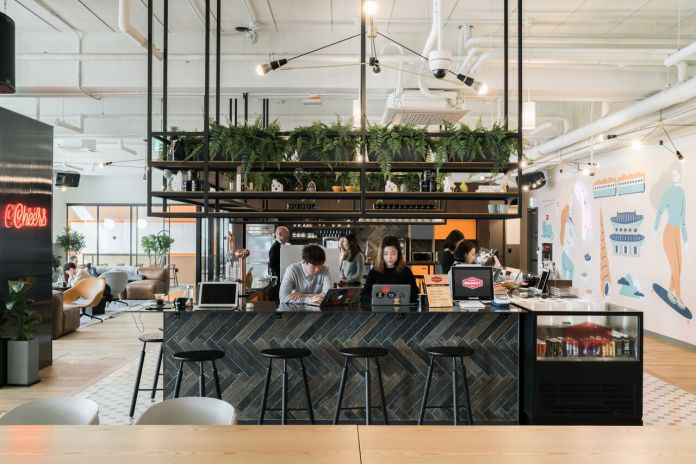
WeWork in China has launched a feature, WeWork Go, which allows for customers to pay for desk space by the minute as opposed to their original model which had customers paying for long-term work space. This new feature is to combat competition from Starbucks which essentially is a free hub for workers to have an extended office space – alongside the purchase of a coffee or pasty. Big and small coffee locations are offering a commitment-free work space with limited payment required, but as we all know from our own experience, the noise levels can be distracting. The new WeWork feature alternatively will be providing free coffee for paid quiet space.

With the rise of on-demand business such as Uber, AirBnB, etc. Companies have seen a shift in the traditional brick-and-mortar model and more towards services that are available wherever and whenever a consumer needs them. There has been less of a need of consumers to buy in bulk because products and services can be available at any moment via online devices.

Additionally, coffee as a menu item has become a popular topic among the QSR industry. Coffee has become more of a social activity for consumers in recent years, of habitual consumption too. These establishments thrive because of the promise of a free space with no formal commitment. How can we reimagine at Jack “Getting coffee with breakfast” to “Getting breakfast with coffee” to drive the category and sales for Jack?

Shackleton Whisky uncaps Shazam-powered AR expedition

3d

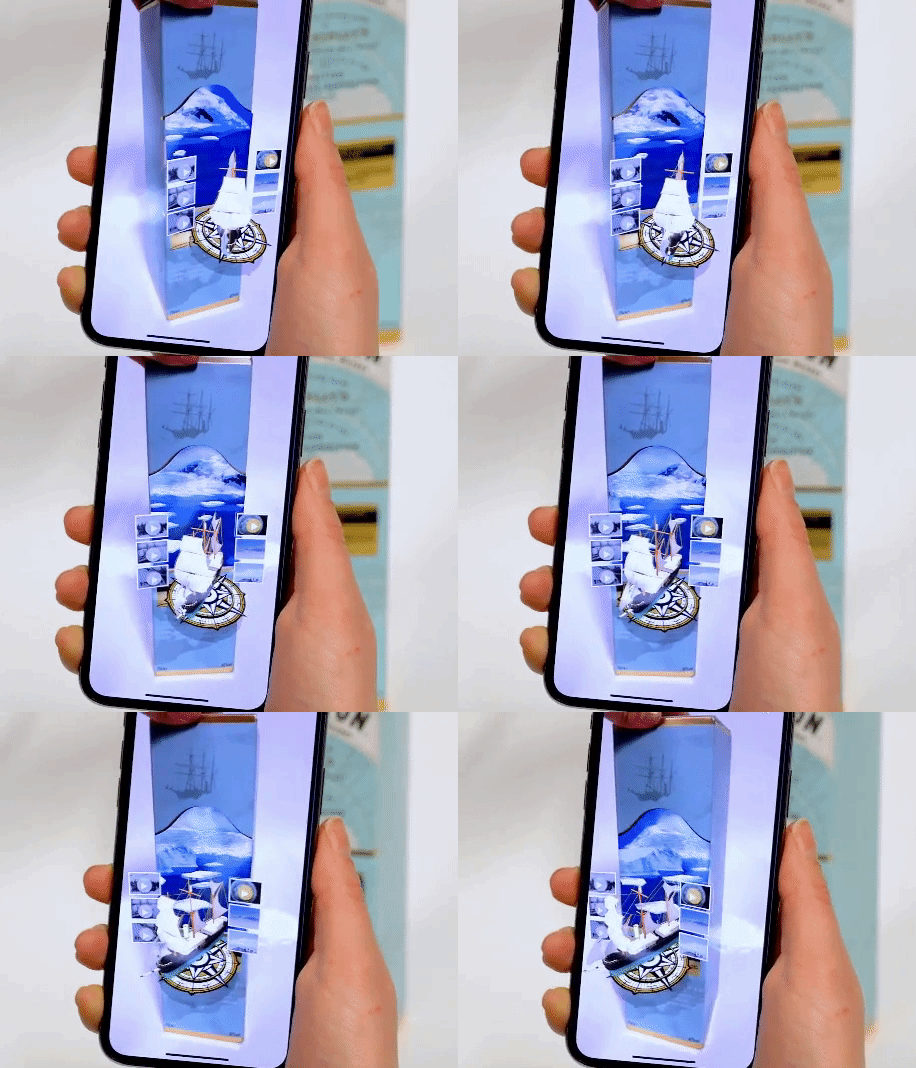
It’s said that a ‘picture is worth a thousand words’! Better yet, can a picture tell you a thousand words? Shackleton Whiskey has figured out a way to let a photo do the talking. Shackleton has partnered up with Shazam for a branded AR experience that will let users take a photo of a “peel and reveal” sticker on its packaging to bring alive a 3D version of their founder’s 1907 Antarctica expedition.

Shazam continues to be an ad-free platform, although continues to showcase innovative ways to drive brand integrations. Shackleton are utilizing their existing assets as their storyteller, their packages, to provide a new experience with little to no change to their existing product and packaging.

AR is fun, immersive and interactive that allows brands to be highly engaged with users. But more importantly, it can be used strongly to drive brand story-telling, which is the case for Shackleton. They’re aiming to cut through the clutter and be memorable versus using only traditional digital formats, by using a platform that’s accessible to large audiences with smartphones. For the QSR space, AR could trigger a range of desired food senses to drive appetite that perhaps a traditional app may not drive as strongly.