Chick-Fil-A now delivers Nationally

Chic-Fil-A

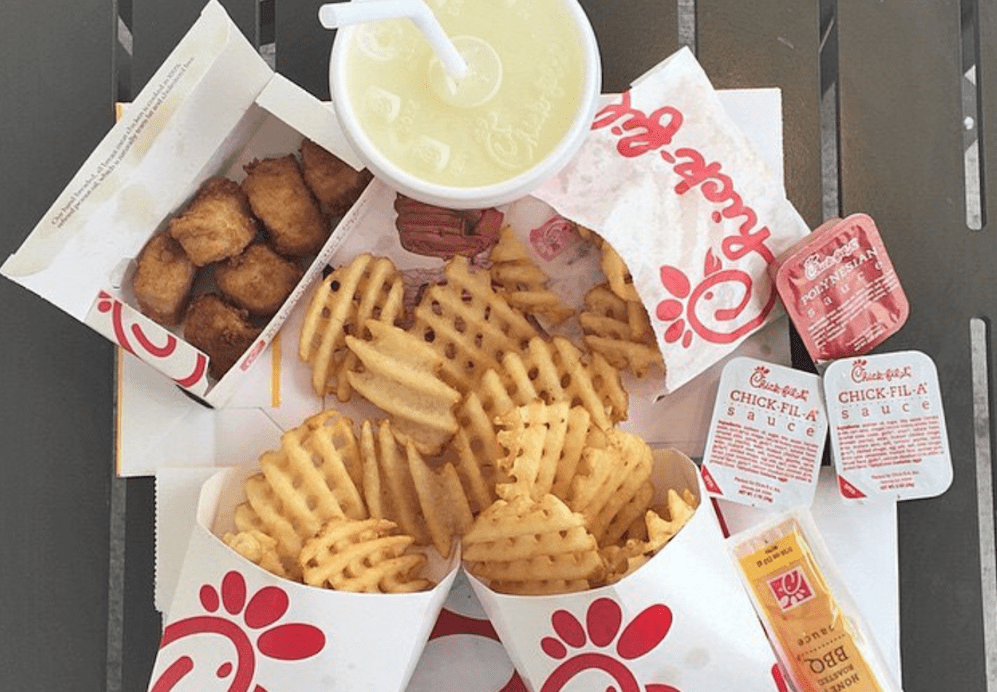
The delivery space is getting even more crowded, now with Chick-Fil-A officially joining in on the delivery game Nationwide by expanding its partnership with DoorDash to provide delivery to 1,100 stores.

Though many other QSR chains have been the forerunners in the delivery or app space, Chick-Fil-A has utilized a test period to gather feedback from consumers, and use these learning to tailor their service with the idea that if the user did not have a good experience, that requires a second look at the entire strategy. As late as it may be to the QSR delivery game, Chick-Fil-A is overcoming that with the quality of the entire experience by getting it right from the start. Some insights gathered in their test period were that orders peak during dinner and on inclement weather days and Delivery sales are highest for restaurants near Hospitals and Universities. Door Dash was also integrated into the POS system to allow a seamless experience from the kitchen management to getting the food at home just the way it was expected. We know Millennials are the most tech savvy, so it makes sense that delivery is peaking around Universities. How can we leverage this insight to ensure we’re catering to our College audience with mobile delivery incentives to drives sales?
Burger King of tomorrow

burgerking3Q_0

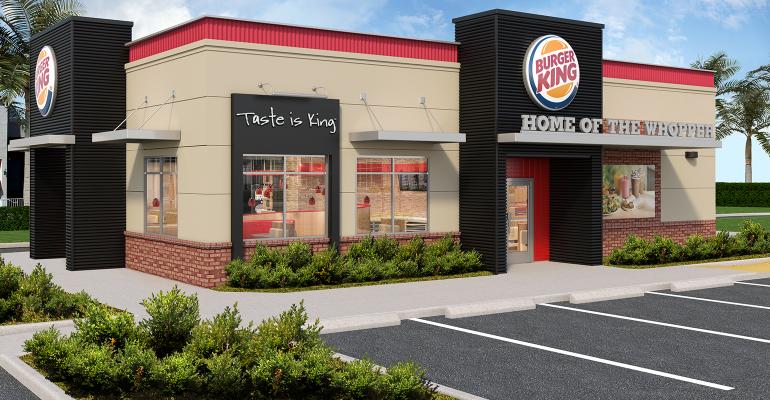
Burger King plans to focus on restaurant remodels and operational efficiencies to drive sales, following third-quarter results that fell short of expectations. Specifically, the chain is pinning its hopes in the Burger King of Tomorrow restaurant image. Already the brand has completed roughly 100 restaurant renovations, with hundreds more renovations planned for the fourth quarter, the company said.

Burger King continues to center around focusing on the following priorities: Restaurant image, technology, operations and marketing, each of which they believe will help drive sustainable comparable sales over the long run. CEO Daniel Schwartz said the new designs are also going to include exterior, guest-facing enhancements, like the construction of double drive-thru lanes, and outdoor digital menu boards.

Outdoor digital menu boards are expected to drive increased check, allowing for integration with other technologies, like mobile apps, and provide franchisees cost savings on printed menu and media signage.

Double drive thrus allow are expected to improve throughput and speed of service, which given Jack intends to create a zero-wait time perception, we need to ensure we’re actively delivering on this if our competitors are actively making improvements to the speed of drive-thru.

BuzzFeed launching into physical space, with a quirky toy store

bf

Buzzfeed is planning on launching into the retail business by opening a new quirky toy store in Manhattan this fall. The new toy store is being called “camp”, but has a catch that every few months, the store will go through a massive overhaul by changing décor and merchandise. Additionally, the store is aimed at all ages, with a toy store in the front and an “experiential” and Instragram-able area in the back for adults. Each cycle, a retail partner designs the experience, offering a new point of view. It may be decorated like a jungle and sell exotic stuffed animals, and then change to reflect an ocean theme, or a sports theme, and so on.

Buzzfeed’s new retail venture is another example of a brand expanding their presence outside of their original format; whilst it’s less common to see a digital first platform transferring into a brick-and-mortar presence, it does showcase the power of online brands understanding the need to reward consumers with shopping based experiences that they crave in-store.

Lyft Rolls Out All-Access Monthly Subscription Plan

1200px-Lyft_logo.svg

First there was software as a service, entertainment as a service. Now there’s mobility as a service.

Lyft has announced the launch of all new monthly subscription plan called “The All-Access” which allows 30 rides per month for an up-front monthly fee of $299. The new program allows Lyft to be one step closer to their goal of making car ownership optional. Lyft’s ultimate message is simple: Ride more with us, and we will help you save money. The company suggesting that Americans on the monthly subscription stand to save 59% each month compared to owning a car.

Lyft, like many brands, has the challenge of finding ways of how stand out against competitors. With this monthly subscription, Lyft has found an edge and new model to drive commitment against competitors. Paying up-front in exchange for the promise of paying less overall, which is much more effective at getting ongoing customers rather than trying to undercut rivals through lowering fares.

While the QSR space is extremely competitive, is there a way to leverage the trend of an upfront subscription model to apply to the QSR loyalty space? Particularly leveraging our mobile app to help drive this?

Target makes way for a new toy experience this holiday season

40779175-15107624815884526_origin

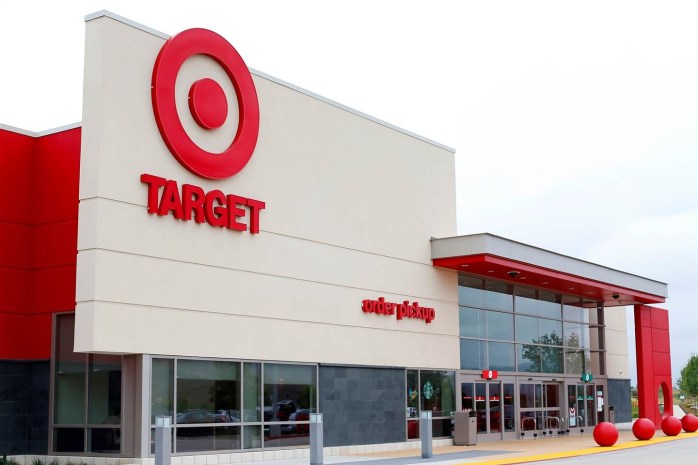
Following the recent closure of Toys R Us, the race to become the go-to-store for the holidays is stronger than ever. Target announcing that they’re doubling their holiday toy assortment and making room in stores by a “quarter-million additional square feet” to accommodate.

Target stores will host more than 25,000 hours of holiday playtime and events, 2,500 new and exclusive toys, and will launch ‘Toy Hub’, an online catalogue that aims to make it easier to search through hundreds of selections.

The level of in-store merchandising unveiled by Target highlights it’s less about selling merchandise, and more about selling ideas and experiences. Providing a positive physical space allows the relationship between a brand and the customer to grow, and Target is another example where a brand understands the importance of creating a memorable and Instagrammable in-store experiences in order to capture consumers’ attention.

Google-supported AdLingo puts Chatbots inside Interactive Display ads

AdLingo, a Google supported startup is putting chatbots inside display ads where users can type in their questions directly and receive quick responses. The first brands to test this is Allstar Kia dealership and Tophatter, a live auction site. While chatbots are not a new way to communicate with brands, they have mostly lived on the advertiser’s website or within a messaging app, like Facebook Messenger. What differentiates AdLingo’s chatbot is that it lives within a display unit targeted to an in-market shopper with a specific CTA like “Chat now”. The entire experience happens within the same page or app, without any additional steps that require you to leave to another platform/ site. While it’s still too early to tell efficiency of this new unit, Allstar Kia has been able to learn a consumer’s user journey in their car trade-in process through the types of questions that are being asked.

Gartner predicted that by 2020, 85% of business will be conducted without human interaction. Brands consistently find ingenious ways to improve their customer experiences with the assistance of artificial intelligence. Early-adopters such as Sephora makes product recommendations with a chatbot. Starbucks’ artificially intelligent barista takes your order. And as we’ve already learnt from Jack in the Box’s campaign such as the Reddit AMA, people crave transparency, and to feel a direct line of communication. Bringing this experience into the native environment they’re already consuming content is another step in improving the user experience.

Alexa can now detect a cold…and so much more

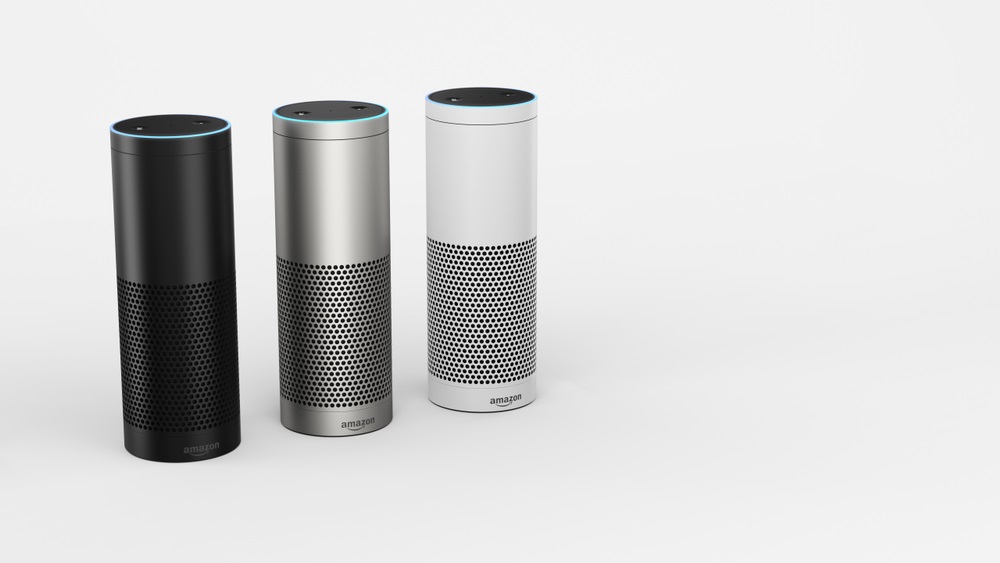
Amazon Alexa’s will soon be able to tell if someone is sick based on the change in their voice. Its partnership with UK’s National Health Service allows the smart device to diagnose medical symptoms and provide remedial suggestions. Its ability to intake the most minuscule voice changes can tell someone’s emotional states like anger, crying, or boredom. Once the emotional data is received, Alexa can layer it with demographic data to give an appropriate response such as telling a joke or a suggestion of products to order. This new patent will be a bigger improvement in voice detection to what Alexa is already rolling out. The new features, Whisper Mode, changes Alexa’s volume to accommodate to a quiet environment just from intaking the background noise, and Alexa Guard, recognizes safety disrupting sounds such as smoke alarms and glass breaking.

While this patent was recently passed and still needs time to roll out in the marketplace, this advance humanizes AI’s and lessens the gap from a human assistant. Amazon is beginning to pave way to tap into understanding human emotions by saying “If your voice sounds shaky, then you are sad”.

Of course, there will be misunderstood signs and error as the machines learns, but this is truly exciting and groundbreaking, especially as this will add a new layer to sharpen Amazon’s first party data. It’s only a matter of time until Amazon opens the pool to advertisers to take advantage of key behavioral moments. Alexa is already suggesting medicines or recipe for chicken soup, so pharma brands have a space to target those who need a cough drop or cold medicine and have them delivered within the same day through Amazon’s delivery system. But looking further, Amazon’s ability to identify exactly what the user needs based on their emotional triggers will open up endless possibilities for brands to present their products right when they need it.

Person (voice with less energy; around lunch time): What are some food options around here?

Alexa: Are you feeling hungry? Would you like a Buttery Jack from Jack in the Box meal delivered to you?

Subway Starts Delivering at 9,000 Restaurants

subway

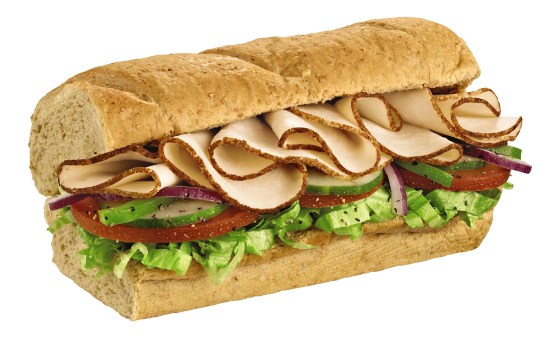
Subway is partnering with UberEats, GrubHub, DoorDash, and Postmates to bring nationwide delivery for 9,000 restaurants, with more planned for the coming months. McDonald’s delivery hit 5,000 stateside locations this past July after starting off with 200 locations two years ago, so this initial entry by Subway is massive. Subway will maintain the “your way” mantra by providing customers customized, made-to-order sandwich through delivery. This massive mobile delivery partnership aims to increase profitability for its franchisees.

Delivery is a rapidly expanding service, with nearly every major restaurant chain adding, marketing and expanding the service. Yet a variety of QSRs currently have mobile delivery in limited locations with plans to expand their service based on learnings. By making delivery available on so many platforms, Subway looks to be better positioned to grab some of the estimated 12 percent growth in food delivery over the next five years, according to a 2016 study conducted by Technomic.

Taco Bell Debuts Diablo Tortilla Chips at 7-Eleven

diablo

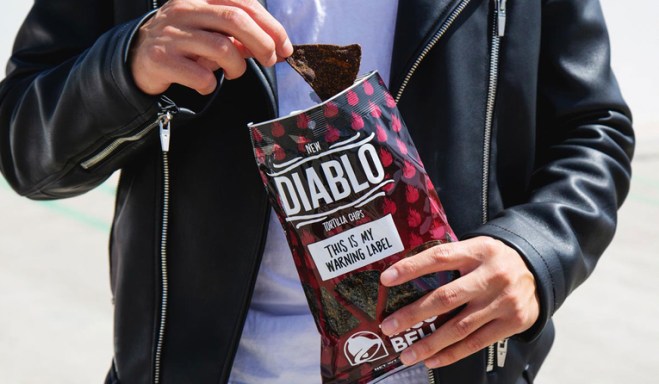
Earlier this year, Taco bell gave fans a new way to enjoy their iconic sauce packet flavors, through tortilla chips. Due to the great success, Taco Bell is rolling out a new flavor for a limited time only. The limited-edition Diablo Tortilla Chips will be available in participating 7-Eleven stores, with plans to make it available in additional grocery and convenience stores through November. Adding another twist of individuality, the Diablo Tortilla chips will be black due to the vegan, kosher, gluten free and natural vegetable juice making these treats naturally darker.

Taco Bell has already a few items in the CPG space, allowing customers to access its items outside of their locations in retail. Additionally, it provides Taco Bell a way to integrate into their customer’s life through snacking moments. While a Jack in Box FMCG line may not be in the near future, having a goal of integrating Jack in the Box with an FMCG partnerships could help drive awareness and additional cravings for JIB products.