Pandora Unveils First Sonic Logo In Campaign Refresh

s3-news-tmp-127306-screen_shot_2019-03-20_at_10.43.39_am--2x1--940

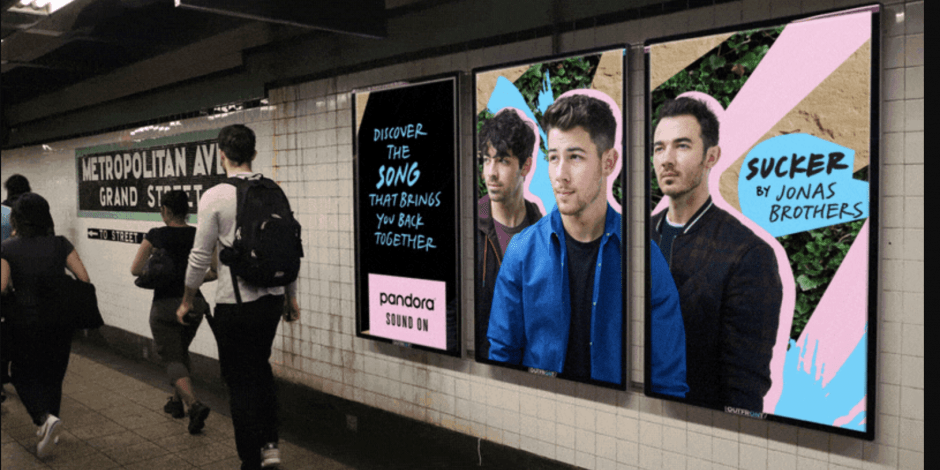
Pandora utilized audio capable OOH to launch their newest campaign in an effort to boost their first “Sonic Logo” or a sound cue associated with the brand. As the world of streaming audio is becoming increasingly more crowded thanks to several platforms branching into the space. Pandora is testing out an audible sound cue to stay top of mind with listeners. For a 12-week run in 5 major US cities, Pandora will be executing digital OOH boards that utilize a 3 second sound bite of the platform’s audio associated with their app startup. These boards will be placed across foot traffic-heavy locations such as malls, airports and major city streets. After the 12-week run, Pandora will be utilizing the audio logo within the app itself to keep the sound associating running indefinitely.

Audible branding is a technique for brands to break through the clutter of the crowded space and set themselves apart (Think of Taco Bell and their signature “ring” noise).  It can provide an additional recognizable extension of the brand beyond a visual logo. Brands who find innovative ways to assimilate these audio cues will eventually keep top of mind to loyal or potential consumers. With the rise of streaming audio services and podcasting, audible logo strategies will be even more of an incentive for brands to utilize the capabilities. Given Jack is looking to incorporate cross channel executions it would a great play to interject digital audio logo tactics to existing OOH media running throughout the various markets to create that association while people are on the go.
McDonald’s Wants to Become the Amazon of Fast Food

A McDonald's Corp. Restaurant Ahead Of Earnings Figures

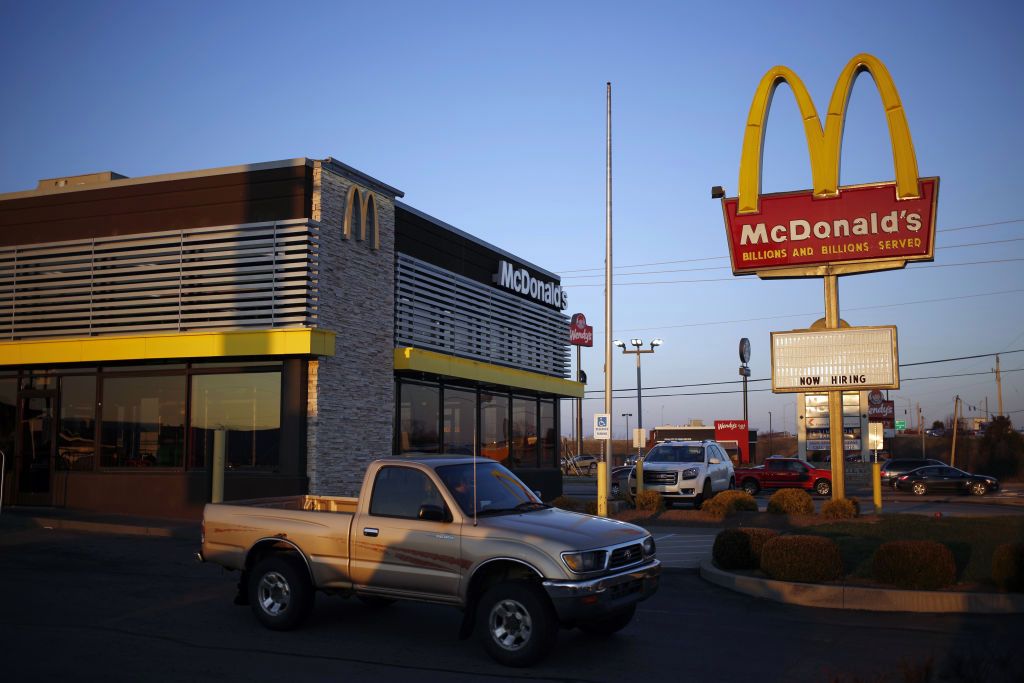
McDonalds officially announced they will partner with Dynamic Yield to drastically improve the functions of their digital menu board in their drive-thru. Dynamic Yield is a company that works with brands across e-commerce, travel, finance, and media to create the ‘Amazon-style personalized online experience.’ With this technology, the drive-thru menu can be tailored to things like the weather, current restaurant traffic, and other trending menu items. The screen will also display additional recommended items based on each person’s prior trips to McDonalds. They also plan to integrate this technology into self-serve kiosks and the mobile app all in the later half of 2019.

With this new use of dynamic elements to personalize the menu for every consumer, McDonald’s is attempting to speak to consumers on a personal basis. This personalized touch, whether it be through the drive thru, self-serve kiosks, or the mobile app will help with brand loyalty and positive brand affinity that will help create a life long fan of the brand.  It also allows the company to capture a clear picture of their consumers by market and communicate to them that “We know what YOU like.”  Currently, we have implemented similar aspects of this dynamic technology implemented in our digital placements. For example, if one of our audience targets is in a cold environment at the time he/she sees our ad, it might generate an ad for a hot coffee rather than just a regular burger, or iced coffee.

Walmart Will Let You Shop For Groceries Using Google Assistant

nexus2cee_google-home-4

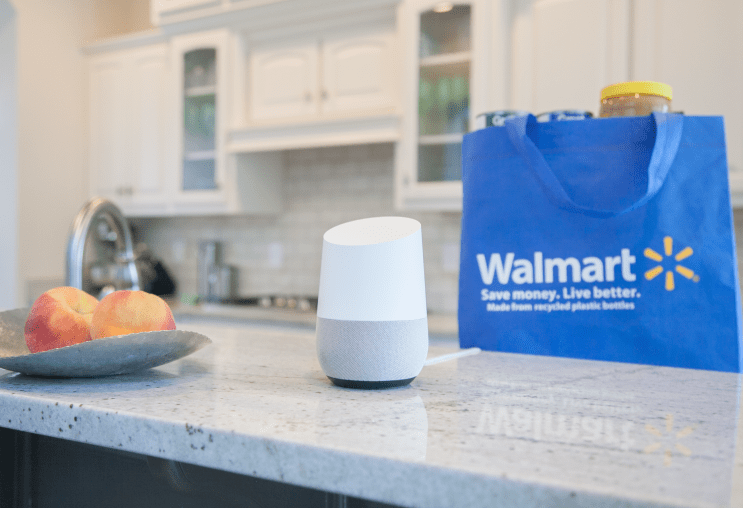
Retail superpower Walmart announced that it has partnered with Google to offer voice-controlled Google Assistant grocery shopping for customers. This announcement comes on the heels of voice-ordering innovator Amazon acquiring Whole Foods and declaring they were going to slash prices company-wide. The company has created a new command with Google Assistant so anytime someone says, “Hey Google, talk to Walmart” the user will automatically be taken to their virtual shopping cart. Right now, the function only allows for customers to voice-order fruit and basic groceries from Walmart. In the press release there was mention that this new feature will use AI to remember reoccurring orders and recommending it when people ask for that specific item.

The push for voice-ordering from Walmart and other retailers in the space is due in part to the recognition that shopping habits in the United States are shifting drastically. As more people have access to order through mobile devices and home assistant, the less there is a need for consumers to physically shop in-store. The dynamics of purchasing behavior is due to the connectivity of devices people are using every day. It’s important for companies and brands to adapt to rapidly changing purchasing habits of consumers.

Burger King App Lets Users ‘Burn’ Rival Fast Food Ads In Exchange For Free Whopper

bk

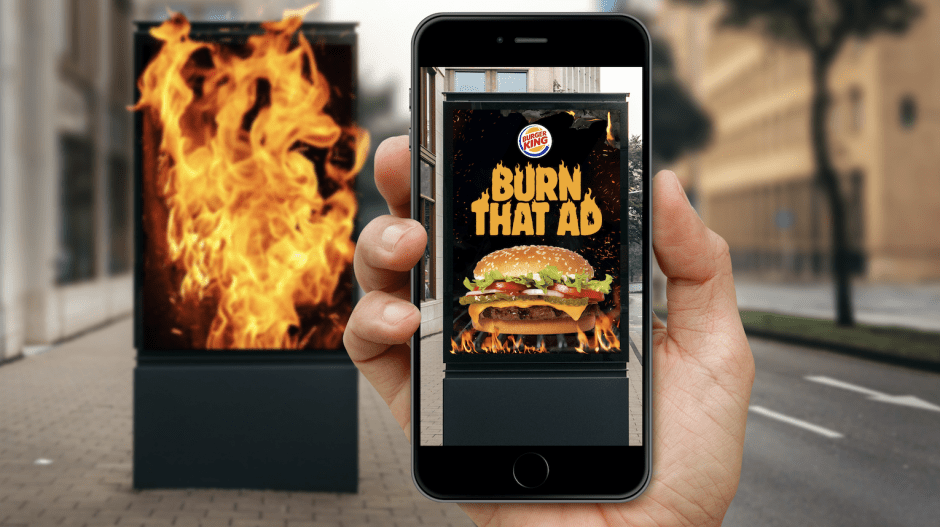
Burger King in Brazil is utilizing its mobile app to get customers to “burn” competitor’s ads via augmented reality technology. Those who have the mobile app anywhere in Brazil can hold up their device’s camera to a competitor’s ad in real life and AR tech will make it appears the advertisement is going up in flames. When the flame on their screen is extinguished, the user is left with a reward that states they have a coupon redeemable for a free Whopper. Nationally in Brazil, the app campaign is anticipated to give out nearly half a million free Whooper rewards only being able to be used by one device per coupon redemption.

This is a fantastic example of brands utilizing innovative tech as well as playing by the “trolling” brand voice. We’ve seen numerous campaigns from Burger King this past year that calls out specific competitors with humor. Customers have enjoyed seeing the infamous QSR twitter fights.  BK’s example sheds light on potential unique opportunities for Jack to utilize within the AR space. The tactic leverages competitors’ own campaigns as a conquesting technique within the digital space and could be applied to other media like billboards and other OOH ads just by using a mobile device.

Instagram Prototypes Video Co-Watching

ig

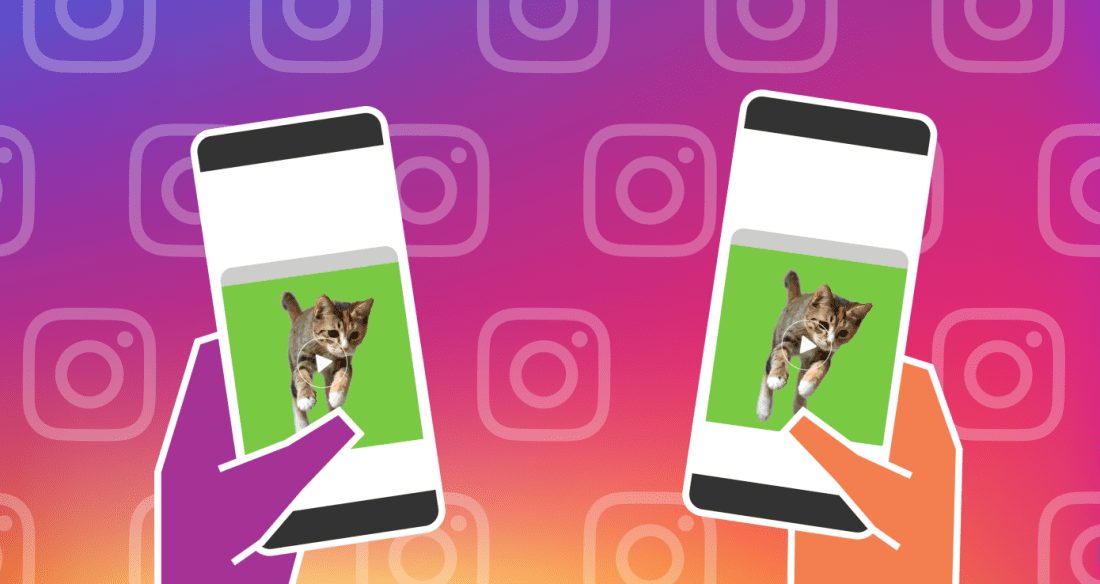
Instagram rolled out a function to co-watch video content where users can comment, and see who else is watching the same content, resembling the Facebook “Watch Party” function.

The trend of being part of a community while geographically being apart is increasing as more functions like co-watching or experiencing a sports game via VR. Consumers crave to stay in the comfort of their homes but still actively participate in what’s happening on the screen. Whether it’s your favorite Insta-influencer giving tips, or watching a sports game with your home team while being away, this feature creates a virtual community for viewers and opportunity to engage with the creators on Instagram.

This is a great opportunity for a brand like Jack to further that deeper connection between people and their passions. It no longer has to be just geo-targeting those of the same zip codes, but targeting our audience regardless of location around their common interests.

Uber Is Testing a Program in Paris, Where it Rents Kitchen Space to Restaurants Using Its Food-Delivery App

uber

Uber is expanding its services in Paris past the ride-share & delivery and moving into the rentable kitchen space. This is especially drawing an audience of upcoming chefs who cannot afford their own cooking space, while offering space to prep food and cut costs of operating a restaurant/kitchen.

While food delivery services focus on the convenience of the eater, Uber is taking a wider view to think about the cook. This balance of providing a platform for both the cook and eater creates an ecosystem of meeting a demand with a convenient supply with the natural tie in between food and kitchen.

We’re seeing that kitchen rental is becoming more prominent especially with a competitor founded by former Uber CEO, CloudKitchens. This is a cost efficient way for popular restaurants to expand reach to areas & consumers outside their immediate radius, further increasing competition.  We could also see an increase from private catering chefs to deliver offerings on an increased scale.

MOD Pizza Unveils New Loyalty Program with Pay-It-Forward Feature

mod

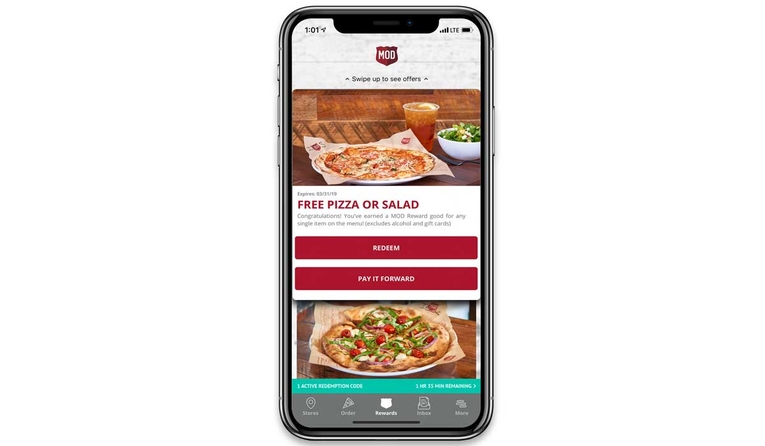
Fast-casual pizza chain MOD Pizza is utilizing their loyalty rewards program to offer customers the opportunity to give back to their local community. Currently, for every dollar spent, one point is added in their reward system, and customers can choose to redeem these points for menu items and other discounts. Now, MOD Pizza is allowing customers to cash in these points to give a $2 donation to the charity Generosity Feeds, a nonprofit that provides meals to children facing poverty. MOD customers have already donated enough to give back nearly 500,000 meals and are aiming to provide over 1 million by the end of the year.

Jack in The Box has been associated with various charitable organizations, such as Make-A-Wish and No Kid Hungry, and have provided back to the communities which are the reason the company is able to operate. As we can see from MOD Pizza, giving a choice to the consumer to give back personalizes the experience. This is a great usage for the mobile app and rewards program by localizing it and tying it back to the community. Could Jack push for a case for the mobile app and increase loyalty and promoting that Jack truly “Got Your Back” this year for No Kid Hungry?

Postmates Launches a Free Group Delivery Option

postmates

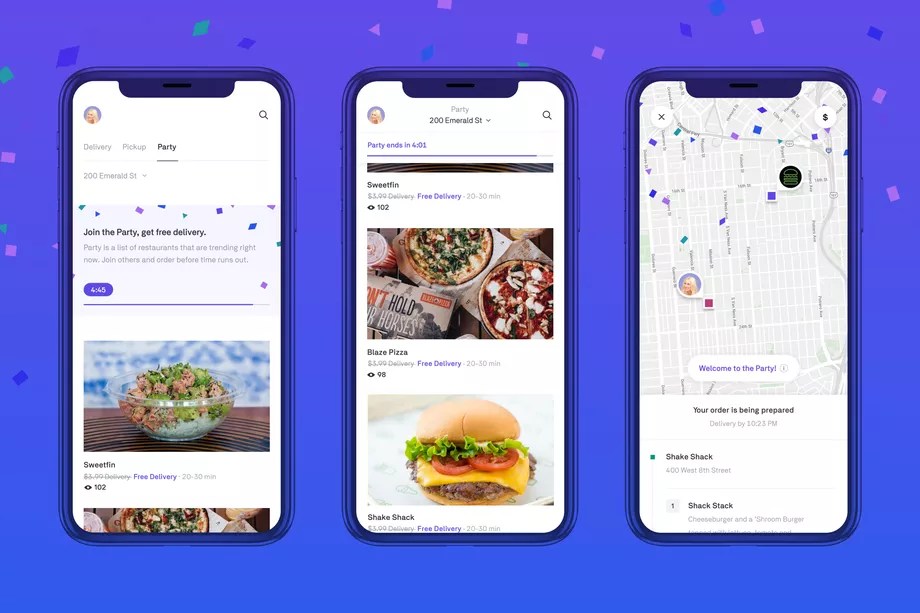
Postmates is now launching a new delivery option, called Postmates Party that allows for group orders. Several friends that are in different locations can now start a group order, and the deliverer will make stops to each location. While this means the order now might take longer to arrive, the delivery fee is dropped. For now, Postmates is only launching this in major US cities and restaurants like Shake Shack and Blaze Pizza have already opted in for this delivery option.

Group rides were added to Uber and Lyft a few years ago in an attempt to be a cheaper option for consumers and keep more money in their pocket. This same idea of Postmates party makes sense, as a delivery person normally does head out with multiple orders at one time and simultaneously Postmates gains multiple orderers.

We expect Postmates to partner with messaging apps or social apps where conversations are already happening so the ordering of food is a natural step for everyone.

Facebook group messenger:

Person A: “Is anyone getting hungry? I just had dinner, but I’m still craving something.”

Person B: “Should we all get some Jack in the Box?”

Person C: “Here’s a link to Postmates for Jack in the Box. They have the lowest delivery charge at this time.”

We often talk about delivering food to a larger group, but expect all of them to be together at one place. But what if we hopped on the idea of a virtual community and set up real life delivery for our fans who engage with our content through Instagram’s new co-watch feature!?

Chipotle Might Venmo You Money, for a Change

Chipotle Becomes First Non-GMO US Restaurant Chain

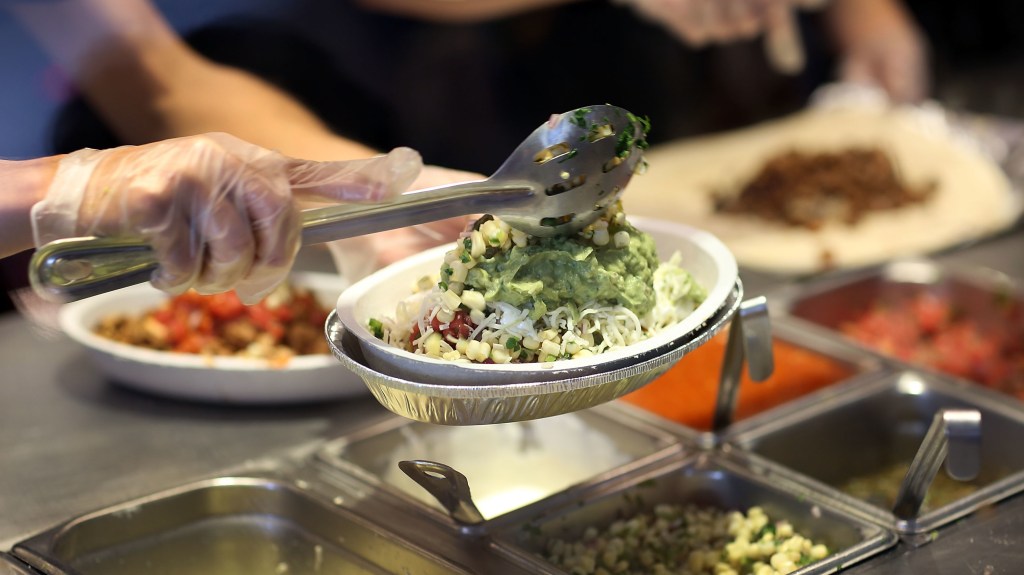
Chipotle just released their rewards program, called Chipotle Rewards. And in an interesting twist, from March 12th to March 15th, Chipotle partnered with Venmo to pay back up to 25,000 people per day based on the number of times they mentioned Chipotle in their transaction summary. Each pay back ranged $1 to $500 and the payment from Chipotle appeared in their account as a Chipotle pepper emoji.

This partnership came from the already existing organic support chipotle had on Venmo. They recognized that “Chipotle” was one of the most mentioned names, excluding burrito emojis. It was also the perfect opportunity to showcase that convenience factor for millennials, who utilize the venmo app almost daily.

This is a fantastic, and efficient PR stunt that really got people talking about Chipotle and rewarding customers for their loyalty. This is a great example of how Chipotle recognized how people lean into a daily convenience vehicle to satisfy their cravings for a brand.

Twitter Launches Prototype App, ‘Twttr,’ to Improve Conversations

tweet

Twitter just launched a new prototype app, called “Twittr,” a feature where tweets will be displayed in more “chat-like” environment with color distinction between the original Tweet and replies.

Twitter’s main user-base is built on the communal aspect of everyone contributing to a conversation. But it looks like they see that users want more of a conversation with the original post and other users. This one to one conversation will change the content of conversation, especially for business Twitter accounts. We expect questions and comments that are now more general such as, “Where do you get your ingredients?” to more personalized ones such as, “Will we get free coupons at UCLA this year?”. If used correctly, this can build loyal followers with strong brand voice. Perhaps, getting these select consumers to be the foundation of our own Jack loyalty program that gets them discounts, free swag, or even a secret menu only available to them!