How Popular Brand YETI Made Their Expensive Coolers a Status Symbol

HTB1.1xTLpXXXXatXXXXq6xXFXXXc

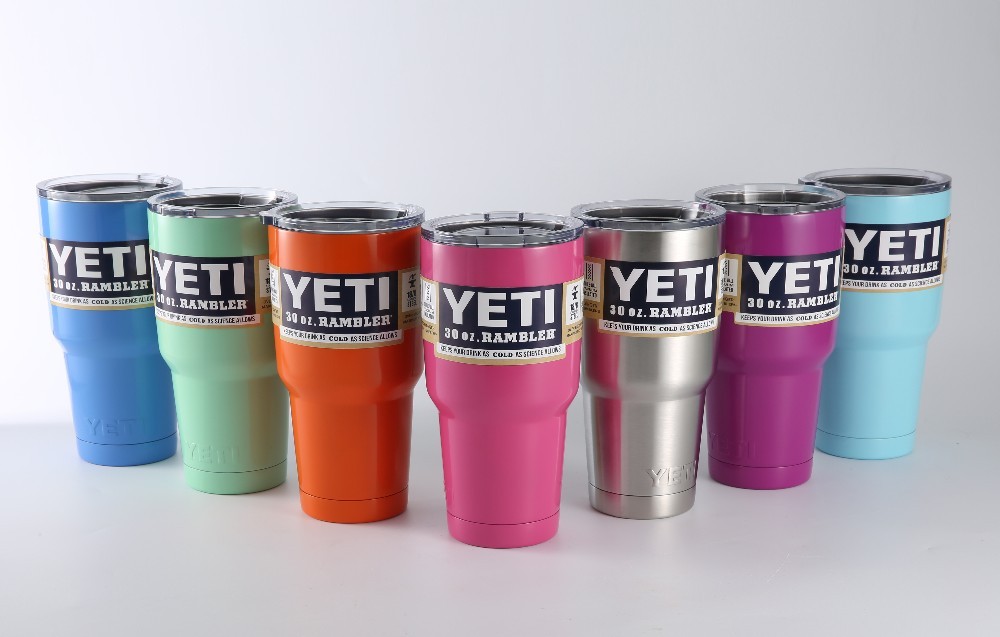
YETI coolers have become a recent status symbol in the United States, as their high-tech coolers range from $200-$1,300. Although there are other brands like Coleman and Igloo who make comparable sized coolers with similar technology to keep temperature low for around $40, why do consumers still choose YETI over them?

Similar to Hydroflasks and Patagonia, YETI competes not only with the quality of the product they’re selling, but also by buying the loyalty and trust of their consumers. Quality has become non-negotiables; everyone has the technology. But these brands are selling dreams – they create an aspiration on what you could do with the cooler, not what you’ll actually be doing.

This high loyalty marketing is becoming the powerhouse of moving consumers’ morals and beliefs. Consumers are less tied to the products, but consider what the brand stands for as more important – like we’ve seen with Nike with Kaepernick, and Patagonia with environmentally awareness, etc.

App downloading is the start of showing loyalty. However, it cannot end here. How would Jack consistently earn consumers’ trust especially in the QSR realm, where consumers have high cross-shopping tendencies and low brand loyalty? Our challenge is to create that halo effect for overall brand trust beyond each product.
More Retailers are Jumping into Dynamic Pricing

ABV-Cartwheel-Header

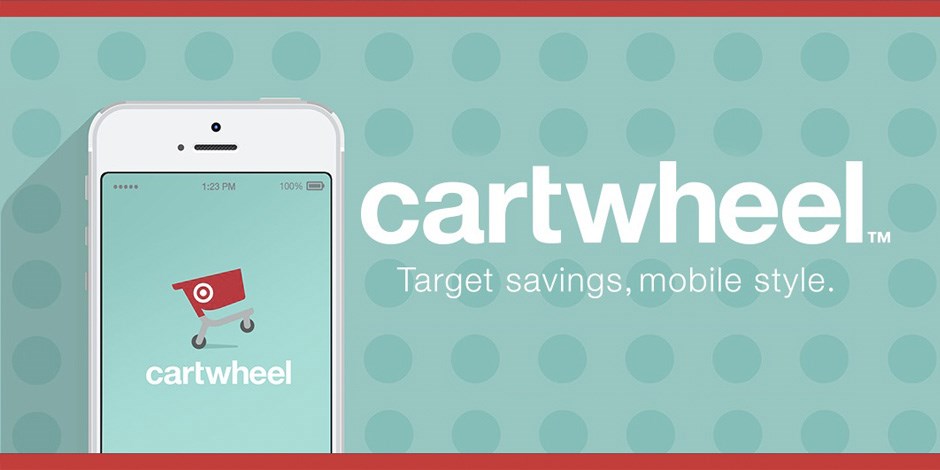
Target is one of the major brands effectively using dynamic pricing: a user is targeted with a higher price point, then retargeted with a discounted price. As more retailers are pressured by the giant, Amazon, this has become an alternative to give the impression of a lower price. Uses are various, such as targeting frequent customers with exclusive discounted offers to retain their loyalty, or based on the user’s location to drive in-store traffic.

While this may initially be a smart idea, this can also backfire once the customer finds out that prices can change based on their information. Target has used this to their advantage to promote their app, Cartwheel, to let users scan the barcode and if they find a lower price, it would automatically be discounted at checkout.

One thing we can learn through Target’s case study is how they have included the app in this – shoppers want a low price, and they can find it on the app. For Jack, it’s not so much about the price point, but how we can make the consumer journey personal to each customer.  Jack is utilizing dynamic creative to speak to different audiences based on their language preference, habit, etc. How can we simultaneously promote our loyalty programs naturally through targeting?

Papa Johns to Offer Tuition Reimbursement Program

papajohnslogo85_0

Papa Johns announced a tuition reimbursement partnership with Purdue University Global encouraging all its 90,000 employees to pursue higher education. For employees to qualify, they must work at the company for at least 90 days and work a minimum of 20 hours a week.

Papa John’s boasts the ambition to be a career and not just a job, and is further investing in its staff so they can grow beyond an entry-level customer service position. The National Center of Educational Statistics released a study stating people with bachelor’s degrees have a median earning that was 57% higher than those who did not have a degree.

Customers’ brand sentiment is heavily impacted by the company’s willingness to give back to the community. Starting with “No Kid Hungry” or “Make-A-Wish”, Jack has so many opportunities to gain trust both as a brand and also on a local level.

Why Quick Serves Should Invest in Out-of-Home Advertising

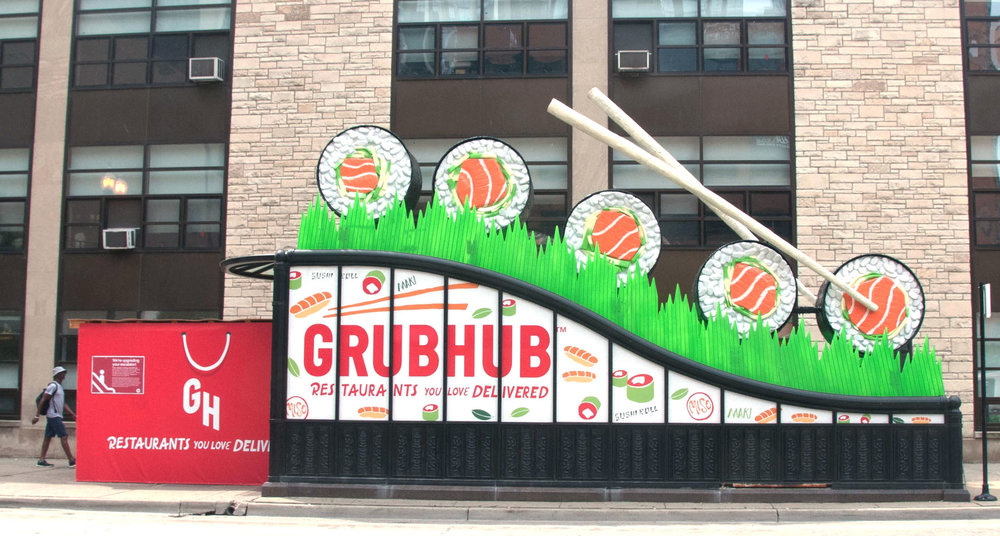
Illumivation+Portfolio+2017+Grubhub+Intersection+Giant+Sushi+Chicago+Creative+Outdoor+Advertising+OOH+Out+of+Home+Marketing

Out-of-Home continues to be one of the most effective channels for QSR brands to extend their reach to potential consumers. While some companies believe that OOH is an outdated media channel, compelling arguments can be made for why this is still an effective media:

  • Communicate with local communities to drive local traffic
  • Promote mobile campaign messaging to reduce wait times in drive-thrus
  • Gain valuable location data

One thing this article does not mention is the PR-ability of OOH. When we think of OOH, we immediately think of billboards and digital boards. However, OOH has been a fan favorite of entertainment brands or other brands who want a literal on the ground experience. For Jack’s W4, we are taking full advantage of barricades, movie theaters, and other unconventional formats and layering with PR promotion in order to have an even larger splash.


Burger King Trolls KFC Colonel to Promote New Sandwich

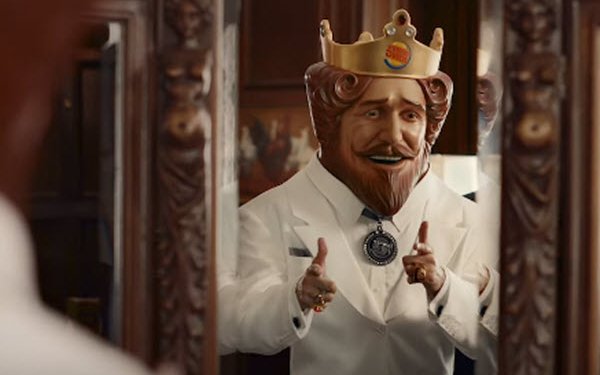
bk-king-as-kfc-colonel-screen-grab_M99rr4P

Burger King switched up its target from the usual McDonald’s. This time, they’re after KFC, with their $4.99 Grilled Chicken Sandwich. In the :30 TV spot, the King refers to himself as “KFG,” or the “King of Flame Grilling” while dressed in a white suit, exactly like the one usually worn by Colonel Sanders. As usual, Burger King integrates PR, Social, but this time even packaging: Stores in Kentucky, Miami, Los Angeles, and New York will also be using “KFG sandwich wrappers.

It’s not new that Burger King is a troll. The brand voice playing with different competitors is getting stronger and people are having fun engaging with it. What is new and interesting this round, however, is the inclusion of packaging. Burger King is not isolating marketing from in-store experience, but making it one consumer journey from awareness to purchase, then to sharing. We must also take this holistic approach, to integrate the in-store, or mobile purchasing experience, so that customers can have a memorable enough experience to share with friends.

US Digital Ad Spending Will Surpass Traditional in 2019

digital-spending-CONTENT-2017

For the first time in industry history, advertisers will be spending more on digital initiatives than traditional channels. According to eMaketer, in the next 4 years the digital spending dollars will be outspending traditional media by nearly 2/3rds. 2019 ad spending sees that digital advertising is 54% of overall media dollars. This year also marks the first for digital giants Google and Facebook as this is the first time that shares for both companies has declined as digital revenue grows. This decline could be due to the growing privacy concerns that has haunted Facebook over the last year. The biggest winner in the digital spending war has been Amazon. According to eMarketer, the revenue share has increased by 2% from 2018. The company has seen a recent boom in revenue because of the rich behavioral data is has to offer due to its constant traffic of online customers.

Traditional media has declined across the board except for OOH spend which could be attributed to the digital capabilities the channel has been integrating in recent years. From last year alone, the overall ad spending dollars is projected to decrease by nearly 6%. This can be explained by the shift of how people are consuming media in today’s age. The world is becoming more connected and online media is leading the environment of change.  Traditional media has been slower to adapt and needs to be more innovative to maintain relevancy & impact in the media space. Television spending will see a decrease by over 2% from last year because of less culturally relevant lean-in moments taking place (i.e. Olympics, elections, etc.)

What is key for brands is to adapt to the changing media landscape and to place their dollars effectively based on where the audience is gravitating. By understanding the exact audience, brands have the ability to effectively place budget into channels that make sense. The shift to digital media could be explained by the younger generation being much more receptive to online advertisements than previous generations. As the younger generation shapes the future of where media trends will go, it is important for brands to keep up with the trends to grow their audience base as well has competitively conquest potential customers.

Tide Launches Omnichannel, On-Demand Laundry Service

Tide_logo

Tide detergents has launched a network of 1,000 pick-up points in the US, plus an app to arrange a laundry service. The goal is to double the number of pick-up spots across the US within the next year. The collection points work a bit like Amazon lockers, and are in supermarkets and college campuses.  The app tells you where to drop off your washing, and will give you an alert when it is ready to collect. The business model behind the laundry service is to give back to customers by providing them with premium laundry services while giving them some time in their day back.

This is a great opportunity to increase positive brand sentiment across loyal and potential customer bases as well have an opportunity to promote other products/services the company can offer. The Tide laundry service also creates an incentive for customers to use the service with the promise of getting some time back into their busy schedules. The ability for a brand to establish trust with consumers is crucial because of the power they have to alter industry trends. Tide is utilizing their equity as a trusted laundry brand to disrupt the business of traditional laundry mats, fluff & folds and people who don’t want to do their own laundry. The strategy would be an effective way to conquest other QSR or delivery partners in the space

How IoT-Connected Cars are Modernizing Grocery Delivery

connected-cars

Consumer behavior is making the shift to wanting products and services on-demand as oppose to the traditional business model of stocking up. People are looking to get their services and products where they want them and when they want them. IoT (Intelligence of Things) Technology is shaping the connected car of the future. This vehicle aims to deliver groceries straight to consumers, providing them with traffic updates, estimated arrival times and real-time tracking information.

With more companies willing to adopt new IoT technology into their everyday operations, the more innovative their business model can become. IoT technology gives the consumer a sense of personalization because each interaction is catered specifically for the individual who is using the device and therefore has the potential to increase customer favorability. Jack specifically could have the ability to implement connected cars to increase the number of automated delivery services from online/mobile ordering. This technology could even be incorporated into in-store kiosks and drive-thru devices to decrease customer wait times as well as less frequent ordering errors.

WeWork Launches New On-Demand Service Challenging Coffee Shops


Community_Desk_WW-eujiro_APAC_14

WeWork in China has launched a feature, WeWork Go, which allows for customers to pay for desk space by the minute as opposed to their original model which had customers paying for long-term work space. This new feature is to combat competition from Starbucks which essentially is a free hub for workers to have an extended office space – alongside the purchase of a coffee or pasty. Big and small coffee locations are offering a commitment-free work space with limited payment required, but as we all know from our own experience, the noise levels can be distracting. The new WeWork feature alternatively will be providing free coffee for paid quiet space.

With the rise of on-demand business such as Uber, AirBnB, etc. Companies have seen a shift in the traditional brick-and-mortar model and more towards services that are available wherever and whenever a consumer needs them. There has been less of a need of consumers to buy in bulk because products and services can be available at any moment via online devices.

Additionally, coffee as a menu item has become a popular topic among the QSR industry. Coffee has become more of a social activity for consumers in recent years, of habitual consumption too. These establishments thrive because of the promise of a free space with no formal commitment. How can we reimagine at Jack “Getting coffee with breakfast” to “Getting breakfast with coffee” to drive the category and sales for Jack?

Apple’s Streaming Video Service is Reportedly Launching This Spring

276214

The streaming wars show no signs of slowing down anytime soon. Reports allege that Apple is in motion to launch their own streaming service to rival that of other major streaming platforms. It is reported that not only will Apple create their own original content but it will partner with various established studios to launch exclusive programming. Examples of the exclusive content they have released prior on their Apple Music platform has been reality show, Planet of the Apps and the hit segment Carpool Karaoke.

All original content will be housed on the streaming platform for paying customers to access much like the competitive landscape.

What will be interesting to see coming from Apple is if they will monetize through ads. The company is known as the walled garden and doesn’t even allow foot traffic studies or the sale of their users’ data, especially given the recent FaceTime fiasco. If the company decides to steer away from their walled garden reputation then that would open the doors for brands to be advertised on their platform. This would be an incredible platform to Jack to have equity on because of the heavy connection with music and culturally relevant content that would live on an Apple streaming service. How do we balance in-stream ad breaks to capture those who don’t mind ads, but also deliver a premium experience by integrating Jack in the Box within the storyline?