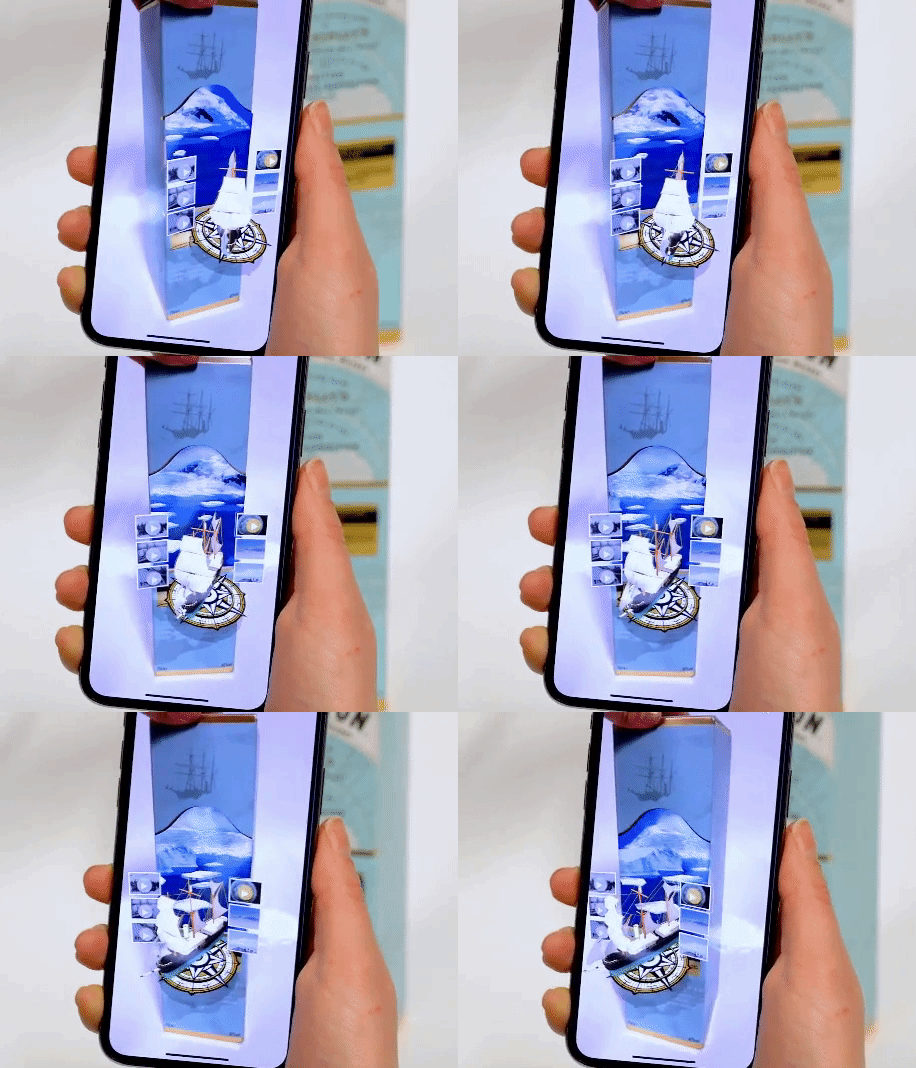
Shackleton Whisky uncaps Shazam-powered AR expedition

3d

It’s said that a ‘picture is worth a thousand words’! Better yet, can a picture tell you a thousand words? Shackleton Whiskey has figured out a way to let a photo do the talking. Shackleton has partnered up with Shazam for a branded AR experience that will let users take a photo of a “peel and reveal” sticker on its packaging to bring alive a 3D version of their founder’s 1907 Antarctica expedition.

Shazam continues to be an ad-free platform, although continues to showcase innovative ways to drive brand integrations. Shackleton are utilizing their existing assets as their storyteller, their packages, to provide a new experience with little to no change to their existing product and packaging.

AR is fun, immersive and interactive that allows brands to be highly engaged with users. But more importantly, it can be used strongly to drive brand story-telling, which is the case for Shackleton. They’re aiming to cut through the clutter and be memorable versus using only traditional digital formats, by using a platform that’s accessible to large audiences with smartphones. For the QSR space, AR could trigger a range of desired food senses to drive appetite that perhaps a traditional app may not drive as strongly.
Five Things Retailers Should Know About Millennial Shoppers

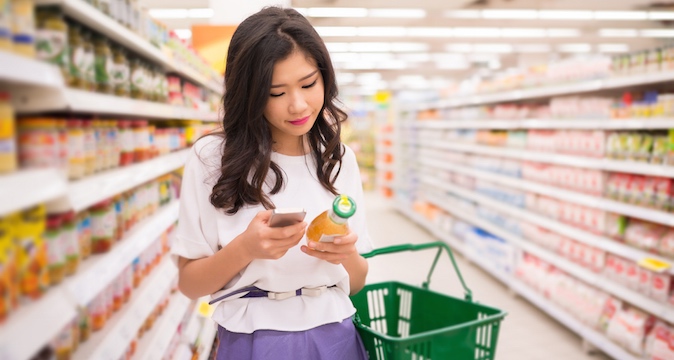
Reading information about product

Millennials hold an enormous influence within all industries, and as this generation continues to mature, so does their digital usage. Brands need to learn to adapt and ensure they are reaching Millennial’s not only with an authentic voice but also the following:

  • Retailers must bridge the gap between in-store and online given that two thirds of Millennials use both platforms to research before making a purchase decision
  • Brands should not ignore the “buy” button and look to incorporate it within their social platforms given that Millennials rank high in social purchases
  • Email marketing continues to be a workhorse for digital marking with guaranteed results
  • Millennials are most likely to embrace emerging Technology, therefore having a favorable reaction to brand messaging through different mediums
  • Lastly, Millennials are willing to bypass the human interaction at POS and favor an automated system

Jack in the Box has already made strides in adapting to emerging and maturing Technology as we continue to refine delivery options and amplify messaging through various online and social channels that speak authentically to Millennials. While Jack in the Box does not use automated POS system, we’ve seen other brands in the QSR space lean in to help reduce labor cost. According to the eMarketer Ecommerce Survey, 57% of A18-34 regularly use an automated POS system therefore introducing an automated system would be welcomed and easily adapted to.

Loyalty rewards, coupons bring QSR customers back

e337162cd98d8ab8ba335d1036ec4ee2

Consumers are attracted to coupon and loyalty incentives when making the decision to try new QSRs. According to a study conducted by Publishers Clearing House, nearly 50% of consumers are enticed to try new restaurants based on couponing alone. Standard ads are not enticing customers like they use to in the world of pre-online devices. They are increasingly year-over-year being attracted to app driven payment when rewards are given for loyal use. In recent years major QSRs such as Starbucks, and Burger King have implanted successful loyalty program to attract potential consumers and retain them by offering substantial bonuses.

Not only do online loyalty programs and discounts entice customers, but users are prone to have bigger digital orders vs in store tickets. Brands have an opportunity to use these programs to their advantage by being able to send these coupons straight to the pockets of consumers to retain their business and entice them to frequent more through exclusive perks. As more brands are understanding that these rewards programs are quick ways to get consideration amongst a crowded field, they are finding loyalty doesn’t come easy or last long.  Larger chains have an advantage in developing more sophisticated apps due to their access to more capital.  However, larger chains aren’t immune to customers multiple choices and in the same study, many have stated that they are not hesitant to go to other QSRs. Overall consumers often have little hesitation to these rewards and often favor brands who are generous with their offerings.

Natural Light and Cash App Kick Off Super Bowl Contest to Offset Student Debt

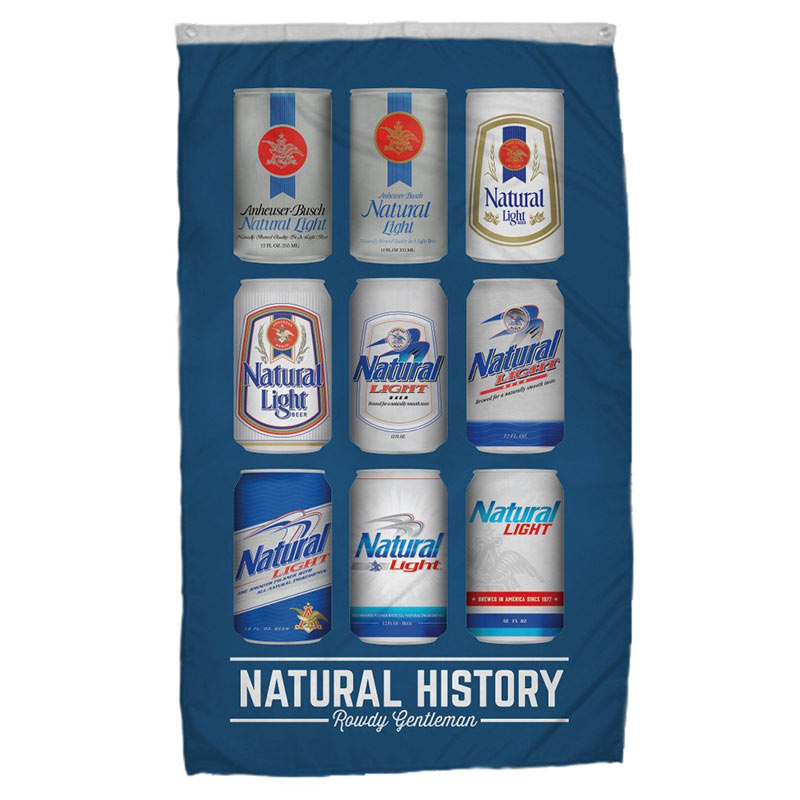
Image result for natural lightAnheuser-Busch teamed up with a mobile payment app, Cash App, to give out $53,000 to 151 Super Bowl fans to help pay off their student loan payment so they’re able to put on an epic Super Bowl party. Entry into the competition asks fans to upload their Super Bowl plans to Twitter, Instagram or Facebook with the hashtag “#NattySB” establishing broad awareness across multiple social platforms. Along with this Super Bowl initiative, Anheuser-Busch declared that it would give back $10 million in the next decade to help fans pay down their student loans.

Using a high-profile platform such as the Super bowl, allows brands like Natural light and Cash app to launch new initiatives to garner higher engagement. This new partnership shows how both brands chose to work together due to their shared audiences. Anheuser-Busch can connect with a new, younger audience, while Cash App is essentially being promoted to receive new users/downloads. The younger 21+ crowd are most likely all reeling from the pains of having student loan debit fresh from college graduation and more likely to be acquainted with the company of affordable beer.  Super Bowl now stretches beyond just the Sunday, it is a full-on campaign that runs before and after. Cash App has the opportunity to utilize its newly registered users post-Super Bowl to keep them engaged on the app.

Who says Outdoor Advertising is Archaic?

mw-go004_bowls_20180808144538_zh

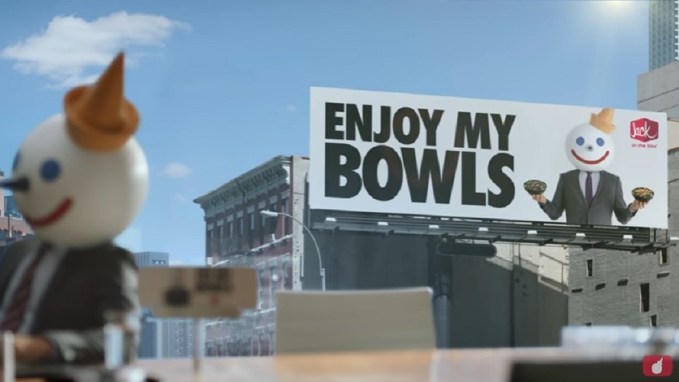
While there are mixed opinions, many sources predict that OOH advertising is the fastest growing traditional channel, and Magna stated that OOH was the only traditional ad medium to show growth in spend in 2018, 4.6%. So what value do advertisers see in OOH?

Digital OOH is taking lead on adapting to the ever-evolving technological advances. The main opportunity DOOH provides is the ability to measure and retarget, which plays on the already wide reach OOH advertising allows by its nature (it’s hard to ignore a board or bus stop), but also closes the loop on proximity targeting down to zip codes and blocks to measure foot traffic and the response people have after seeing the ad. DOOH in itself is expected to grow 10%/year, and forward thinking outdoor advertising firms such as Outfront Media are taking lead in exploring 5G integrations to make programmatic and dynamic targeting more efficient.

Looking beyond OOH, we continuously see data playing a bigger role in filling the gap traditional media channels have. Having measurement tools such as foot traffic studies and its correlation OOH ad experience allows for smarter to help sales.


Mobile Spending Power Dominates in 2018 with QSR as Major Vertical

nl

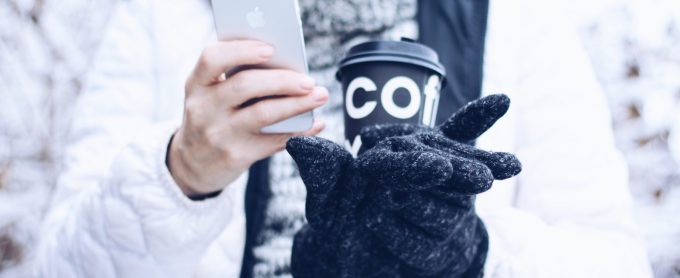
App Annie, an app analytics platform, released consumer spending trends and predictions within major verticals including Gaming, Retail, Restaurant & Food Delivery, Banking & Finance, Video Streaming, Social Networking & Messaging, and Travel.

Across all verticals, a common theme was as time spent on mobile devices and apps increased significantly, so did spending. Total spending power on app stores is expected to surpass $120 billion in 2019, as consumer spending pattern continues to shift heavily toward mobile.

Time spent in shopping apps globally totaled 18 billion hours in 2018, and mobile is expected to be 75% of total e-commerce transactions by 2021. This is evident in brick-and-mortar giants like Target and Walmart integrating mobile in loyalty programs, POS payments and in-store mapping systems. Similarly, mobile gaming companies have utilized the hyper-casual gaming such as Helix Jump or Hole Jo to grow and separate themselves from console gaming. In-app spending within gaming is expected to reach 60% of all consumer spend in 2019.

QSR is taking advantage of where people are spending time and money, as consumption of food and drinks services through apps globally increased 150% from 2016. We saw heavy investment in promotions focused not only on LTO’s, but on mobile and app usage. McDonald’s and Chick-Fil-A led the loyalty programs promotions scene, while Burger King set a standard on promoting app downloads with the $0.01 Whopper campaign, hitting #2 on overall downloads on December 5 and resulting in significant MoM sales performance.

‘The Grinch’ Hacks Honda’s Twitter Account

hondagrinch_USTD3Hu

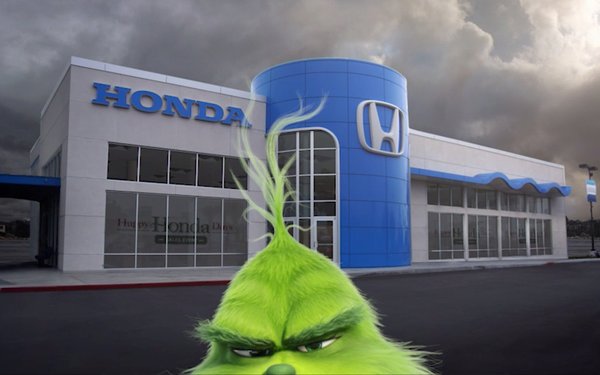
After years of the annual Happy Honda Days sales event, Honda broke the tradition this year. The Grinch stole show with “UnHappy Honda Days” that hijacked all media channels. The campaign kicked off with a TV spot during Sunday football featuring the Grinch taking over a dealership and stealing all the cars, followed by a Twitter takeover. All of Honda’s social pages on Facebook, Instagram, Snapchat, and YouTube, spread the word on the Twitter hack with #GrinchTakeover.

Nostalgia has been a common theme among Honda’s holiday campaigns for several years and The Grinch is a natural fit as a Dr. Seuss character who has been popular with children for generations. It was also a great timely collaboration, at a time when more car buyers are researching their purchases online combined with the premiere weekend, grossing $66 million in the United States. This partnership therefore aligns perfectly in establishing a social voice by aiming at Millennial car buyers.

Given we at Jack were originally investigating potential movie partnership collaborations in 2019, worth noting the Grinch as a case study of two brands that have alignment in their objectives and both benefit from the collaboration.