Nike Launching Smart Shoes

Image result for nike ar

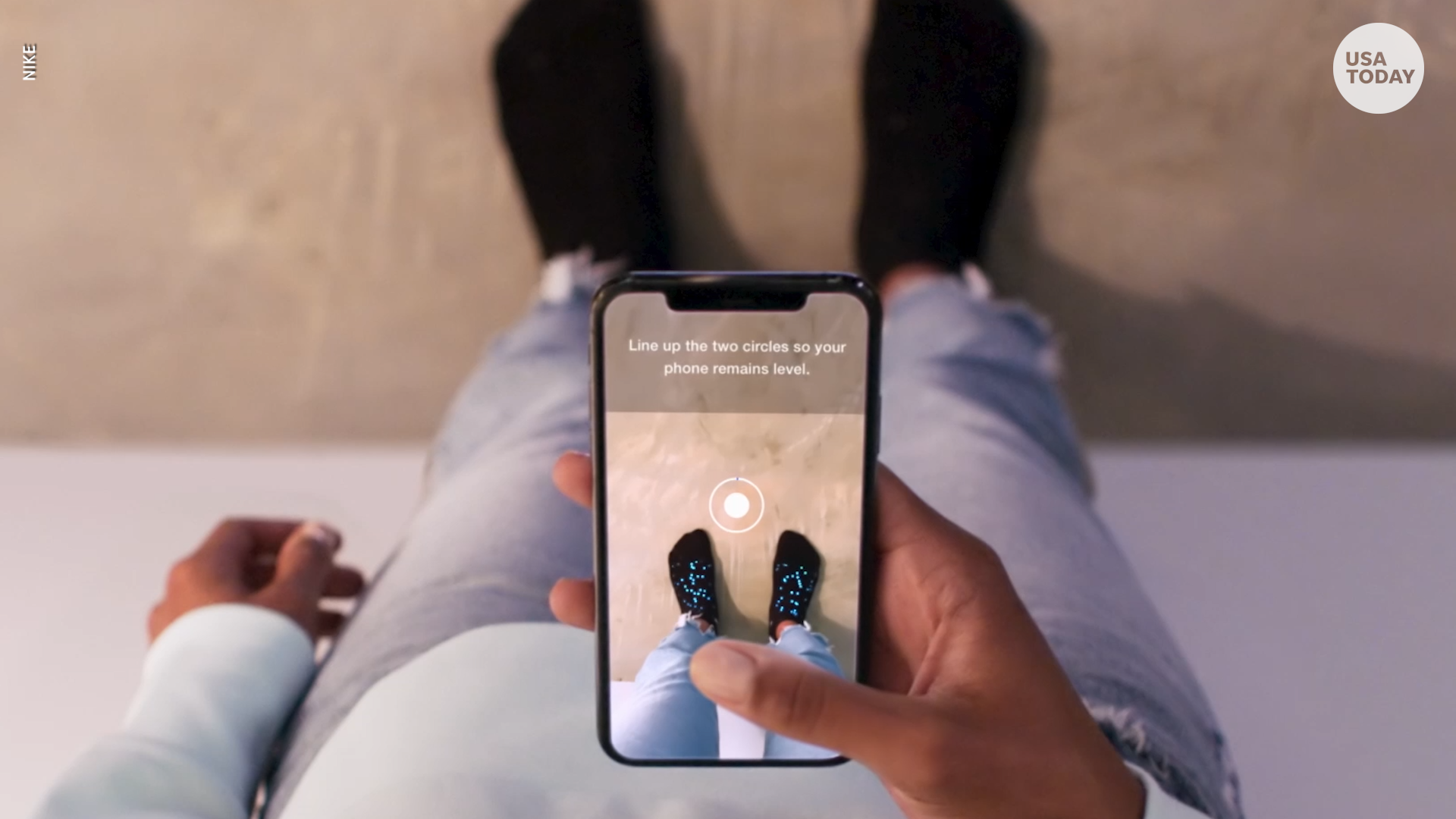
Smart phone, smart cars, smart homes, what’s next? Nike is launching an AR function within the Nike app so users can scan for the correct shoe size. This came from an insight that 60% of consumers are wearing the wrong shoe size. Now using the app, customers can get the most accurate suggestion down to the millimeter.

Nike has always been an active player in incorporating technology, so it’s no surprise they’re continuing to push the boundaries of innovation by acquiring a 3D scanning company that uses real data to provide a service that no one knew they needed and bringing convenience right to them. While most people don’t see the need to measure shoe size, Nike aims to educate consumers on why this is important, especially since the wrong shoe size can lead to serious physical injuries.

This is not only a cool feature to have that affects the point of purchase, but this also means more data for Nike in regard to their target. Now depending on the age, Nike can make predictions to when the customer is most likely to look for a new purchase and be in the forefront of the mind.
Instagram Tests Hiding Likes

Instagram No Like Counter

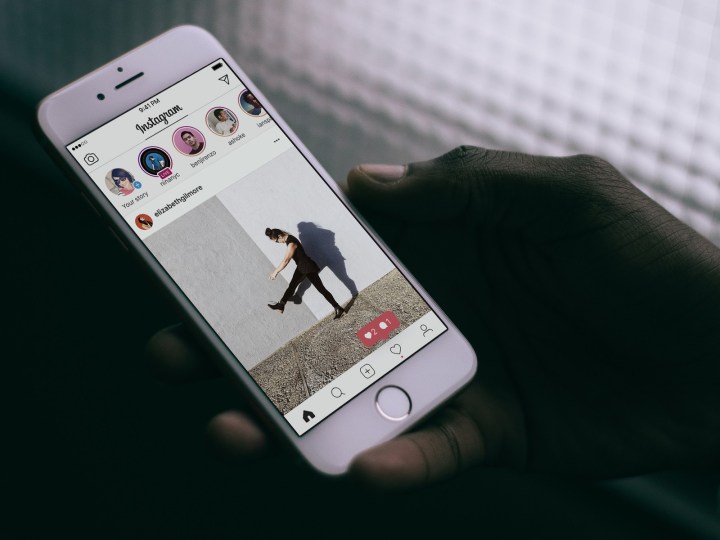
Instagram will be testing a feature in Canada, hiding likes on other peoples’ photos. The owner of the account will still be able to see the number of likes, but the purpose of this test is to see rather the emotions users will show.

From anger to relief, the number of Instagram likes cause an emotional upheaval especially in today’s Millenials, and is the most detrimental social networking app for mental health.

By removing the instant gratification function, Instagram is also eliminating a social currency. Especially with influencers, a “like” directly correlates to engagement, which is the ultimate standard for brands. Brands will now put higher emphasis on comments and followers of an influencer. Brand integration and featuring may fluctuate given the response may not be quantifiable, and loyalty will heavily rely on sentiment.


Shackleton Whisky uncaps Shazam-powered AR expedition

3d

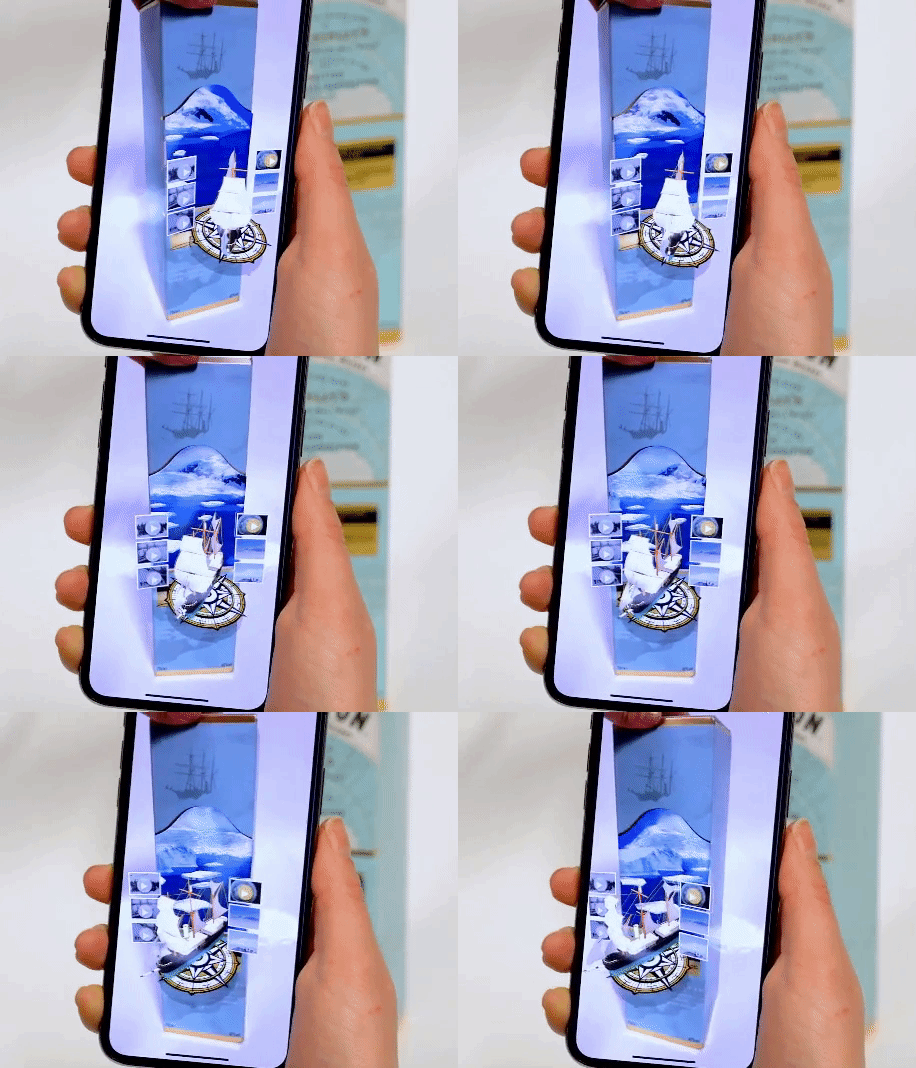
It’s said that a ‘picture is worth a thousand words’! Better yet, can a picture tell you a thousand words? Shackleton Whiskey has figured out a way to let a photo do the talking. Shackleton has partnered up with Shazam for a branded AR experience that will let users take a photo of a “peel and reveal” sticker on its packaging to bring alive a 3D version of their founder’s 1907 Antarctica expedition.

Shazam continues to be an ad-free platform, although continues to showcase innovative ways to drive brand integrations. Shackleton are utilizing their existing assets as their storyteller, their packages, to provide a new experience with little to no change to their existing product and packaging.

AR is fun, immersive and interactive that allows brands to be highly engaged with users. But more importantly, it can be used strongly to drive brand story-telling, which is the case for Shackleton. They’re aiming to cut through the clutter and be memorable versus using only traditional digital formats, by using a platform that’s accessible to large audiences with smartphones. For the QSR space, AR could trigger a range of desired food senses to drive appetite that perhaps a traditional app may not drive as strongly.

Five Things Retailers Should Know About Millennial Shoppers

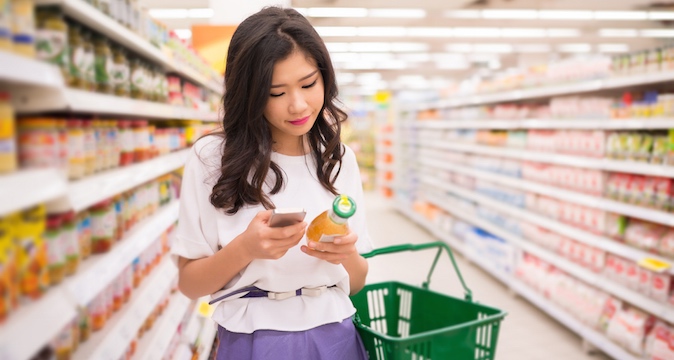
Reading information about product

Millennials hold an enormous influence within all industries, and as this generation continues to mature, so does their digital usage. Brands need to learn to adapt and ensure they are reaching Millennial’s not only with an authentic voice but also the following:

  • Retailers must bridge the gap between in-store and online given that two thirds of Millennials use both platforms to research before making a purchase decision
  • Brands should not ignore the “buy” button and look to incorporate it within their social platforms given that Millennials rank high in social purchases
  • Email marketing continues to be a workhorse for digital marking with guaranteed results
  • Millennials are most likely to embrace emerging Technology, therefore having a favorable reaction to brand messaging through different mediums
  • Lastly, Millennials are willing to bypass the human interaction at POS and favor an automated system

Jack in the Box has already made strides in adapting to emerging and maturing Technology as we continue to refine delivery options and amplify messaging through various online and social channels that speak authentically to Millennials. While Jack in the Box does not use automated POS system, we’ve seen other brands in the QSR space lean in to help reduce labor cost. According to the eMarketer Ecommerce Survey, 57% of A18-34 regularly use an automated POS system therefore introducing an automated system would be welcomed and easily adapted to.

Loyalty rewards, coupons bring QSR customers back

e337162cd98d8ab8ba335d1036ec4ee2

Consumers are attracted to coupon and loyalty incentives when making the decision to try new QSRs. According to a study conducted by Publishers Clearing House, nearly 50% of consumers are enticed to try new restaurants based on couponing alone. Standard ads are not enticing customers like they use to in the world of pre-online devices. They are increasingly year-over-year being attracted to app driven payment when rewards are given for loyal use. In recent years major QSRs such as Starbucks, and Burger King have implanted successful loyalty program to attract potential consumers and retain them by offering substantial bonuses.

Not only do online loyalty programs and discounts entice customers, but users are prone to have bigger digital orders vs in store tickets. Brands have an opportunity to use these programs to their advantage by being able to send these coupons straight to the pockets of consumers to retain their business and entice them to frequent more through exclusive perks. As more brands are understanding that these rewards programs are quick ways to get consideration amongst a crowded field, they are finding loyalty doesn’t come easy or last long.  Larger chains have an advantage in developing more sophisticated apps due to their access to more capital.  However, larger chains aren’t immune to customers multiple choices and in the same study, many have stated that they are not hesitant to go to other QSRs. Overall consumers often have little hesitation to these rewards and often favor brands who are generous with their offerings.

Mobile Spending Power Dominates in 2018 with QSR as Major Vertical

nl

App Annie, an app analytics platform, released consumer spending trends and predictions within major verticals including Gaming, Retail, Restaurant & Food Delivery, Banking & Finance, Video Streaming, Social Networking & Messaging, and Travel.

Across all verticals, a common theme was as time spent on mobile devices and apps increased significantly, so did spending. Total spending power on app stores is expected to surpass $120 billion in 2019, as consumer spending pattern continues to shift heavily toward mobile.

Time spent in shopping apps globally totaled 18 billion hours in 2018, and mobile is expected to be 75% of total e-commerce transactions by 2021. This is evident in brick-and-mortar giants like Target and Walmart integrating mobile in loyalty programs, POS payments and in-store mapping systems. Similarly, mobile gaming companies have utilized the hyper-casual gaming such as Helix Jump or Hole Jo to grow and separate themselves from console gaming. In-app spending within gaming is expected to reach 60% of all consumer spend in 2019.

QSR is taking advantage of where people are spending time and money, as consumption of food and drinks services through apps globally increased 150% from 2016. We saw heavy investment in promotions focused not only on LTO’s, but on mobile and app usage. McDonald’s and Chick-Fil-A led the loyalty programs promotions scene, while Burger King set a standard on promoting app downloads with the $0.01 Whopper campaign, hitting #2 on overall downloads on December 5 and resulting in significant MoM sales performance.

Instagram Just Killed “Finstas” By Adding A Close-Friends-Only Feature

instagram-need-to-know-hero

As part of its round of updates, Instagram is rolling out a “Close Friends” feature, where users can customize a list of Close Friends and only allow the select group of friends to see Stories and Highlights. Instagram has “borrowed” plenty of features from Snapchat, and this is another key trait that the company are looking to replicate. And in doing so it has managed, in a relatively short period of time, to build what feels like its own successful social silo.

Fake Instagram accounts, known as “Finsta”, allow anonymity for users to use them much like that of Snapchat account. Instagram after all is an open platform and easy to sign up with minimal verification needed. Instead of taking this as a privacy issue and requiring more validation in the sign-up process or having Finstas identify themselves, Instagram is allowing users themselves to filter them out.

They’re also recognizing a new pool of audience: the “in-between” users who don’t necessarily want to put their account on Private but also don’t want to expose their lives to strangers.

We’ve seen messaging apps and communication platforms handle personalizing and privacy concerns well, and we’ve also seen those that… don’t do as well. It’s important that huge platforms like Instagram ensure privacy for a safe user experience. If Instagram is taking a stand to make a closed circle network, one that’s a more personal experience within friendship groups, it may also limit or drive growth between brands and the audience at hand.

“Cheat Day” App Helps Find Healthiest Items from Fast Food Restaurants

vijmiqaeag3vsoh5e85q

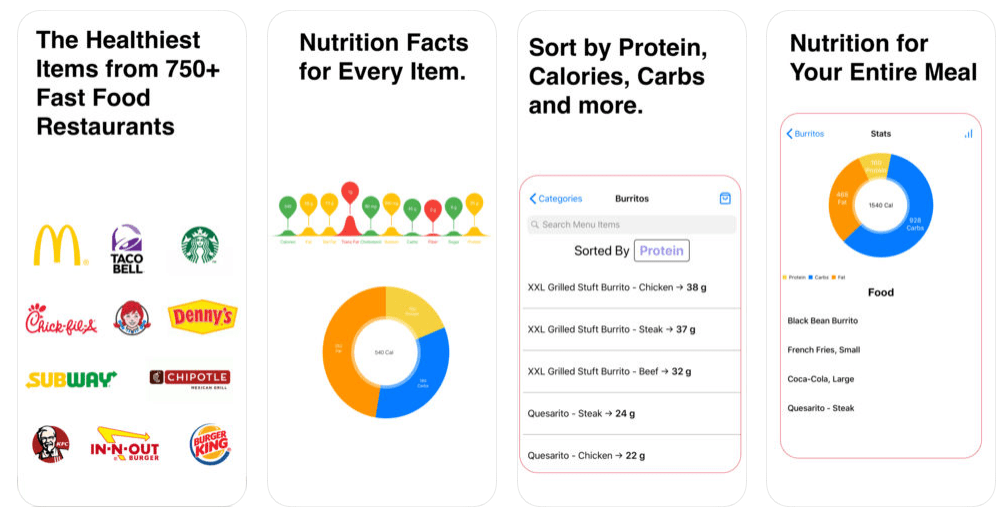
iOS app, “Cheat Day” lists every item on the menu for 750 different restaurants, sortable by nutrition, protein, calories, carbs, fat and full nutritional breakdown. The menu items are ranked by their healthiness factor, and you can also build a virtual meal within the app and see what the nutritional breakdown or your entire order looks like – helping users have an overall one-stop view of the food.

As more people balance health consciousness with cheat meals, educational apps as such provide alternative solutions for those who want more of a balanced meal, and help drive opportunity for those that may originally discount the restaurant due to perception of health-conscious offers available.

Given we have a wider variety of products, can we play into the few options from a health consciousness aspect against competitors?

Mobile Orders Dominate Thanksgiving Shopping

mobileshopping-1.jpg

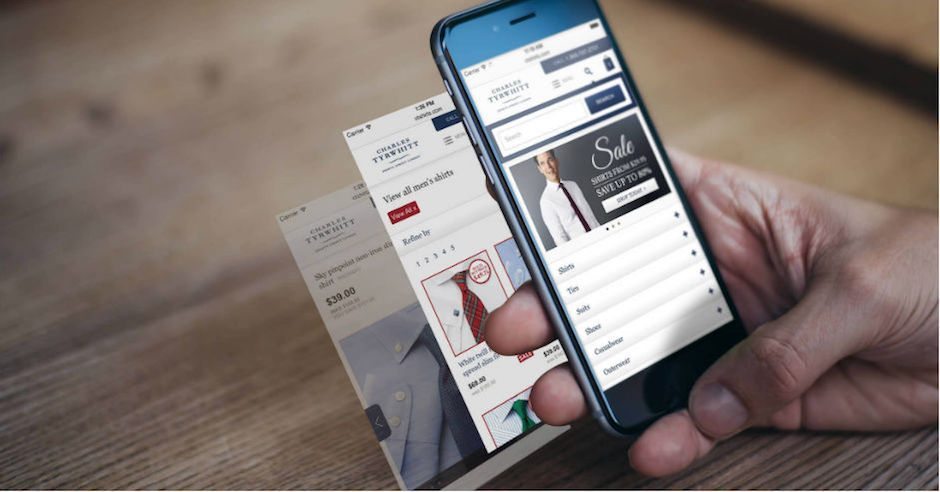
Revenue generated on Thanksgiving increased by 18% YoY thanks to window shopping from the couch. For the first time Mobile reportedly dominated online Thanksgiving Day purchases, with 54% of online orders. As one of the top shopping days of the US holiday season, we saw the peak in mobile orders following the trend. Traffic was highest after 4 PM, and peaking 8-10 PM, meaning shoppers enjoyed shopping and while browsing post-Thanksgiving dinner.

Earlier this year Nike had partnered with Snapchat for their new releases and orders, highlighting the demand and attention are clearly there for consumers in the mobile and social space. Brands continue to create seamless experiences online for consumers; Thanksgiving and Cyber Monday (more like Cyber Week) were the perfect opportunity to see this come to life in a full scale, but this year we also saw a tease phase heavily utilized to tease anticipation surrounding the deals with SMS and push notifications up 159% YOY.

So regardless of the day itself, you can see that brands have utilized a phasing strategy that has continued for well over a week in most instances.

These Hugely Popular Android Apps Have Been Committing Ad Fraud Behind Users’ Backs

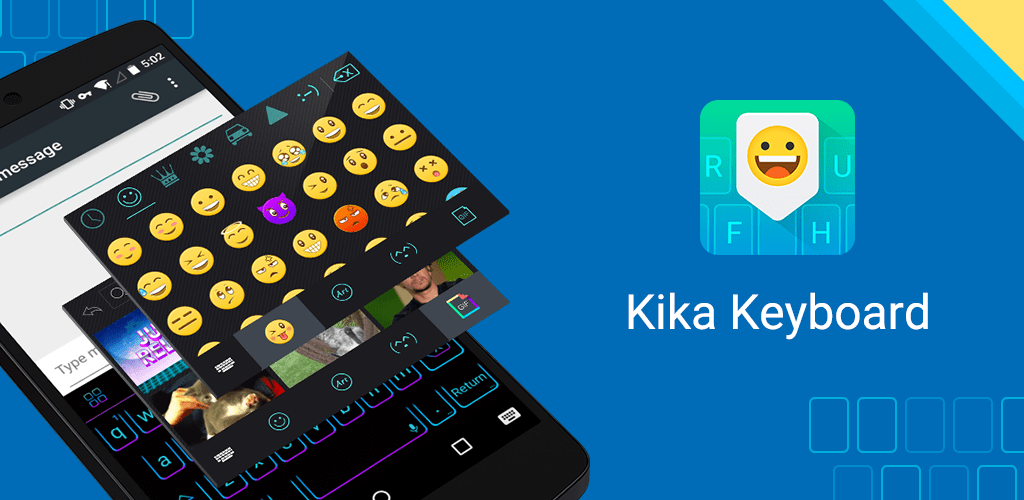
81TvlYQxDpLSeveral Android apps including the popular app “Kika Keyboard” have allegedly been found to be involved in an ad fraud scheme, with the companies claiming more than 700 million active users per month for their mobile apps. The involvement was discovered when an App Analytics Firm discovered inflated download, installation and click thru rates being reported. Furthermore, there is concern that the inflated numbers were obtained by accessing data without user permission. Apps that participated in the ad fraud scheme, used the inflated numbers to receive a higher payout from Publishers and Brands, thus stealing millions of dollars. Currently, Google has yet to take any action.

For many Publishers and Brands the objective for app downloads is to verify quality and usage. While there are companies that specialize in monitoring ad fraud, this highlights the security, privacy, and ad fraud issues in the Android app ecosystem and Google Play store.