What is next for AI Chatbots in 2019?

AI.jpg

As branded Chatbots continue to service customers, the negative backlash continues surrounding their inability to handle unique, specific or pressing questions from customers. Given Bots are not designed to handle questions of this granularity, it can leave people feeling dissatisfied with the service they’re receiving. Fortunately, there is new advancement in Chatbot Technology that has been built to counter this problem: AI powered Chatbots. By leveraging machine learning and natural language processing, these more sophisticated Chatbots are able to respond in a more natural, human way. Some of the best Chatbots currently serving consumers and businesses in 2019 are: Watson, Bold360, Rulai, LivePerson, Inbenta, Ada, and Vergic. These Chatbots all have an aspect of greater sense of personalization to the consumer that almost provides the experience of communicating smoothly with another human being. They are pre-trained with content in their specific industry, that can understand historical chat or call logs, and a times, can even predict user behavior and grasp customer preferences.

Today, personalization of service is the key to reaching and keeping consumers brand loyal. If someone has a bad customer experience, whether it be online or in person, it can ruin that particular brand for that person for years to come. Given consumers associate Jack as the brand of JIB, we need to ensure that when we launch into this space that we create a customer experience that is as seamless, and efficient as possible to ensure no negative backlash. However the possibilities are endless in bringing Jack’s voice to live via AI for consumer interaction and we’re excited to start testing opportunities surrounding this in the coming future, whether starting in platforms such as Waze etc. to drive that voice association between AI & Jack.
Apple’s Streaming Video Service is Reportedly Launching This Spring

276214

The streaming wars show no signs of slowing down anytime soon. Reports allege that Apple is in motion to launch their own streaming service to rival that of other major streaming platforms. It is reported that not only will Apple create their own original content but it will partner with various established studios to launch exclusive programming. Examples of the exclusive content they have released prior on their Apple Music platform has been reality show, Planet of the Apps and the hit segment Carpool Karaoke.

All original content will be housed on the streaming platform for paying customers to access much like the competitive landscape.

What will be interesting to see coming from Apple is if they will monetize through ads. The company is known as the walled garden and doesn’t even allow foot traffic studies or the sale of their users’ data, especially given the recent FaceTime fiasco. If the company decides to steer away from their walled garden reputation then that would open the doors for brands to be advertised on their platform. This would be an incredible platform to Jack to have equity on because of the heavy connection with music and culturally relevant content that would live on an Apple streaming service. How do we balance in-stream ad breaks to capture those who don’t mind ads, but also deliver a premium experience by integrating Jack in the Box within the storyline?

The Fyre Effect: More Questions Are Being Asked of Influencer Marketing

Screen-Shot-2017-05-03-at-4.56.21-PM

In the wake of the disastrous Fyre Festival, big brands are taking a closer look at their strategy with Influencers. The most important take-way of the entire Fyre Festival Marketing campaign is that the Influencers had little idea of the event they were even sponsoring/ supporting. It also sparked concern with Influencers to make sure they are working for brands who are aligned professionally and personally to their interests.

Trust is an important factor, both between the Influencer and brand, and the audience and Influencer. The main advantage of working with Influencers is that fans have high brand loyalty when peers and are “real human” advocates; so, having a face that represents a brand is extremely important as audiences will have a more genuine connection with those brands who utilize influencers with shared values. – i.e. Hispanic influencer for Hispanic strategy etc. Our iPropect team goes through a multi-step process that involved actively vetting influencers to make sure the individual is the right fit for the brand. For Jack Influencers, we specifically wanted to choose people who are excited about the brand and genuinely wanted to work with Jack in the Box vs. paying a big name who is just looking to add another brand to their Instagram channel. It’s fundamental that we as Jack align with Influencers who share and can speak on behalf of our brand values and tonality – which we saw great success with the Super Jack’d Monday talent who did just this.

Shackleton Whisky uncaps Shazam-powered AR expedition

3d

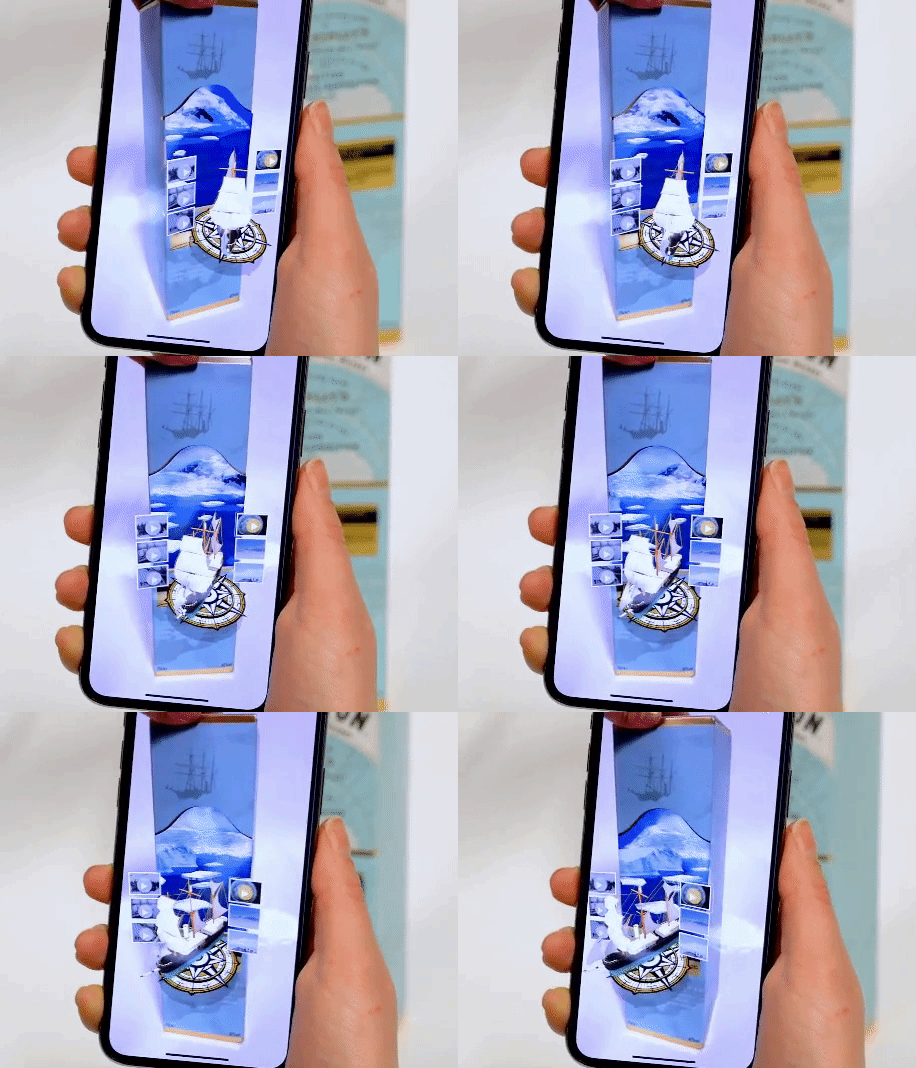
It’s said that a ‘picture is worth a thousand words’! Better yet, can a picture tell you a thousand words? Shackleton Whiskey has figured out a way to let a photo do the talking. Shackleton has partnered up with Shazam for a branded AR experience that will let users take a photo of a “peel and reveal” sticker on its packaging to bring alive a 3D version of their founder’s 1907 Antarctica expedition.

Shazam continues to be an ad-free platform, although continues to showcase innovative ways to drive brand integrations. Shackleton are utilizing their existing assets as their storyteller, their packages, to provide a new experience with little to no change to their existing product and packaging.

AR is fun, immersive and interactive that allows brands to be highly engaged with users. But more importantly, it can be used strongly to drive brand story-telling, which is the case for Shackleton. They’re aiming to cut through the clutter and be memorable versus using only traditional digital formats, by using a platform that’s accessible to large audiences with smartphones. For the QSR space, AR could trigger a range of desired food senses to drive appetite that perhaps a traditional app may not drive as strongly.

BevMo! Hears the Voice of the Consumer

BevMo

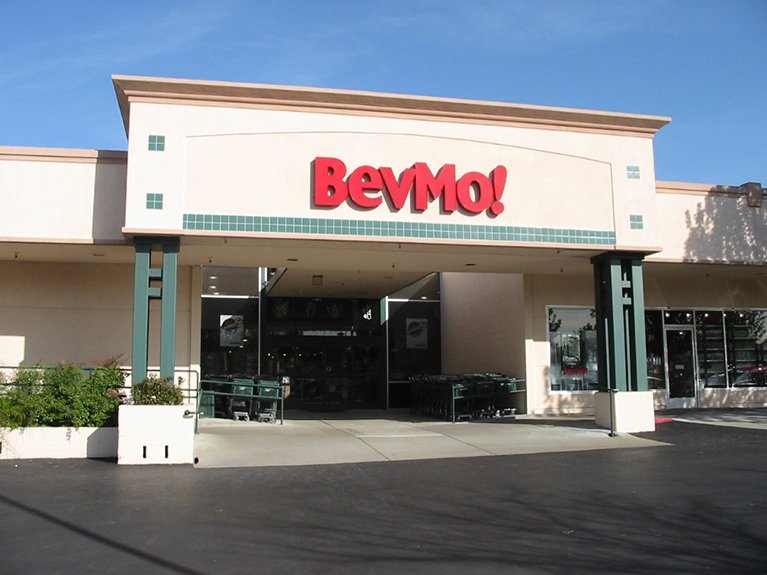
BevMo! Is testing out new voice activated shopping assistant, SmartAisle, to help recommend drinks for shoppers within select California stores only. SmartAisle will be voice activated using AI technology to provide customer support at the point of sale. Shoppers will also have a chance to ask about specific bottles/ brands and receive recommendations for similar tastes. This new feature is aimed to provide a quick and convenient service for a better shopping experience.

As we’ve established in recent articles, Voice Search is becoming more prevalent across multiple devices and home-ordering is showing no signs of slowing down with Home Assistants allowing customers an easy and alternative option to in-app delivery. As voice Technology advances, there is an opportunity for in-store AI POS system to be implemented to help customers order and push new or existing products based on historical data.

Five Things Retailers Should Know About Millennial Shoppers

Reading information about product

Millennials hold an enormous influence within all industries, and as this generation continues to mature, so does their digital usage. Brands need to learn to adapt and ensure they are reaching Millennial’s not only with an authentic voice but also the following:

  • Retailers must bridge the gap between in-store and online given that two thirds of Millennials use both platforms to research before making a purchase decision
  • Brands should not ignore the “buy” button and look to incorporate it within their social platforms given that Millennials rank high in social purchases
  • Email marketing continues to be a workhorse for digital marking with guaranteed results
  • Millennials are most likely to embrace emerging Technology, therefore having a favorable reaction to brand messaging through different mediums
  • Lastly, Millennials are willing to bypass the human interaction at POS and favor an automated system

Jack in the Box has already made strides in adapting to emerging and maturing Technology as we continue to refine delivery options and amplify messaging through various online and social channels that speak authentically to Millennials. While Jack in the Box does not use automated POS system, we’ve seen other brands in the QSR space lean in to help reduce labor cost. According to the eMarketer Ecommerce Survey, 57% of A18-34 regularly use an automated POS system therefore introducing an automated system would be welcomed and easily adapted to.

Kraft to Open Grocery Store to Support Government Workers Affected by Shutdown

krafy.png

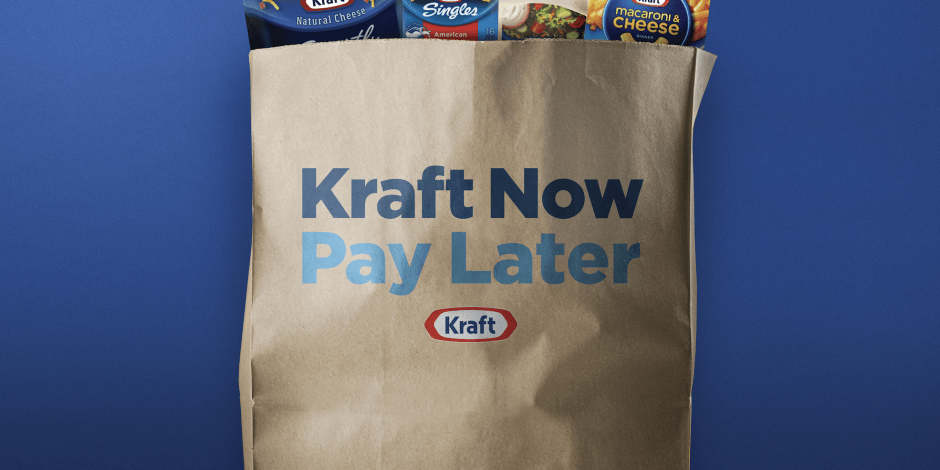
Kraft, in a charitable fashion, opened “pay if you can” grocery store to help alleviate financial burden from the nearly 800,000 federal workers affected by the ongoing government shutdown. The store was opened in Washington DC for a full week in January with all the aisles stocked with Kraft products. With a single ad in a local DC newspaper, Kraft assured those affected by the government shutdown they were guaranteed groceries and if they did not have the money at that moment, to pay it forward whenever they do. Kraft message to federal workers in that no one should be denied food because of situations out of their control and that Kraft is there to help in any possible way.

The ability to connect with a community is vital for brands to establish an emotional and personal connection. Kraft is known as a family orientated brand and chooses to align itself with opportunities and charities that are in line with their brand values. When brands put forth initiatives to their audiences, it allows the community to get a broader understanding of brand culture. Not only is this an effective PR move, but it also shows the community there is a sense of trust and potential long-term loyalty between themselves and a brand. Opportunities like this are a way for brands to give back to the community who have, in turn, helped brands stay relevant.

Brands Must Adapt as Tech Reshapes Sports For Fans


sports

With the evolvement of tech, Sports is becoming a medium to harbor and nurture innovative technology. To further this statement, the Sports Innovation Lab during CES 2019 stated that they saw an increase in dedicated sports tech companies over the past 10 years. These new companies are setting out to not only change the way tech is shaping sports for advertisers but audiences as well. Key changes in technology within the sports landscape include:
– Consumption of sports via new streaming platforms (Amazon, Twitter, DAZN, ESPN+)
– Tech changing the fundamental nature of the sports fan where they no longer feel a need to have unwaveringly loyalty to one team
– Sports aim to incorporate immersive media to have the face to face experience and promote collaborative viewing that is easily sharable, accessible and affordable

Brands need to become privy to the tech and sports relationship to accomplish an effective campaign. With greater interactivity around sports content, brands need to find a way to be part of the bigger conversations. Secondly, as fans move away from teams and closer to individual athletes, traditional sponsorship of teams may soon become replaced as long-term agreements with sportspeople, a powerful marketing asset for brands. This also enables brands to look into exciting matches and performance of a specific player vs branding around one team. Lastly as tech evolves, brands should be on the forefront of innovative tech. VR is projected to hold 10% of sports viewing by 2020, having exclusive content and access for distant audiences to experience games like a local, therefore brands need to not only adapt and provide a genuine voice within this new space.


Alexa Can Now Deliver the News Like a Professional Newscaster


alexa

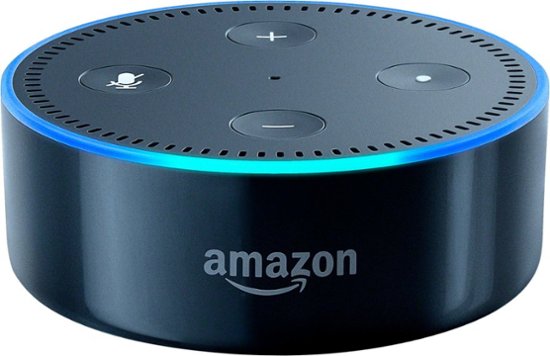
Alexa has had a reboot to their neutral tone to now deliver news like a professional newscaster. The Alexa team has made strides in “neutral text to speech” to implement this newscaster voice that will replicate the same cadence and tone normal newscasters give on television broadcasts. The changes in the news delivery are subtle, but it is easier to tell when a sentence ends or when Alexa is reading a headline. As Alexa’s voice continues to develop over time, the possibilities and applications for smart assistants become endless.

Voice continues to be a continuous topic in the world of smart assistants that goes both ways; humans to machines and machines back to humans. Alexa’s change in tonality allows consumers to easily relate and become susceptible to listen to their device. Additionally, it provides a comfort to consumers and makes the “talking to machine” experience less strange. For instance, some insurance brands have opted for a more human voice to their AI customer service. They recognize that after unfortunate events their customers want to be comforted and not want to feel they are another customer but actually heard. Having that human touch allows them to feel connected emotionally. This example shows how important it is for brands to keep their voice not only genuine but also have that human connection.