‘The Grinch’ Hacks Honda’s Twitter Account

hondagrinch_USTD3Hu

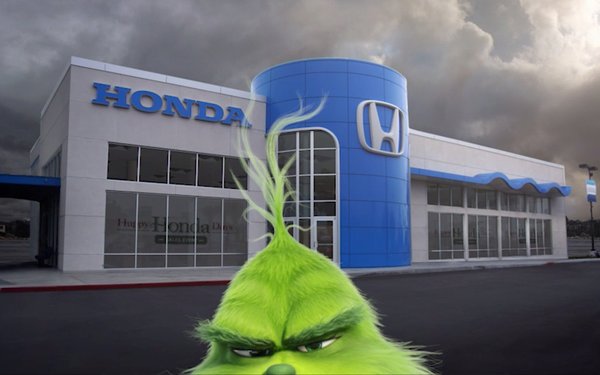
After years of the annual Happy Honda Days sales event, Honda broke the tradition this year. The Grinch stole show with “UnHappy Honda Days” that hijacked all media channels. The campaign kicked off with a TV spot during Sunday football featuring the Grinch taking over a dealership and stealing all the cars, followed by a Twitter takeover. All of Honda’s social pages on Facebook, Instagram, Snapchat, and YouTube, spread the word on the Twitter hack with #GrinchTakeover.

Nostalgia has been a common theme among Honda’s holiday campaigns for several years and The Grinch is a natural fit as a Dr. Seuss character who has been popular with children for generations. It was also a great timely collaboration, at a time when more car buyers are researching their purchases online combined with the premiere weekend, grossing $66 million in the United States. This partnership therefore aligns perfectly in establishing a social voice by aiming at Millennial car buyers.

Given we at Jack were originally investigating potential movie partnership collaborations in 2019, worth noting the Grinch as a case study of two brands that have alignment in their objectives and both benefit from the collaboration.

These Hugely Popular Android Apps Have Been Committing Ad Fraud Behind Users’ Backs

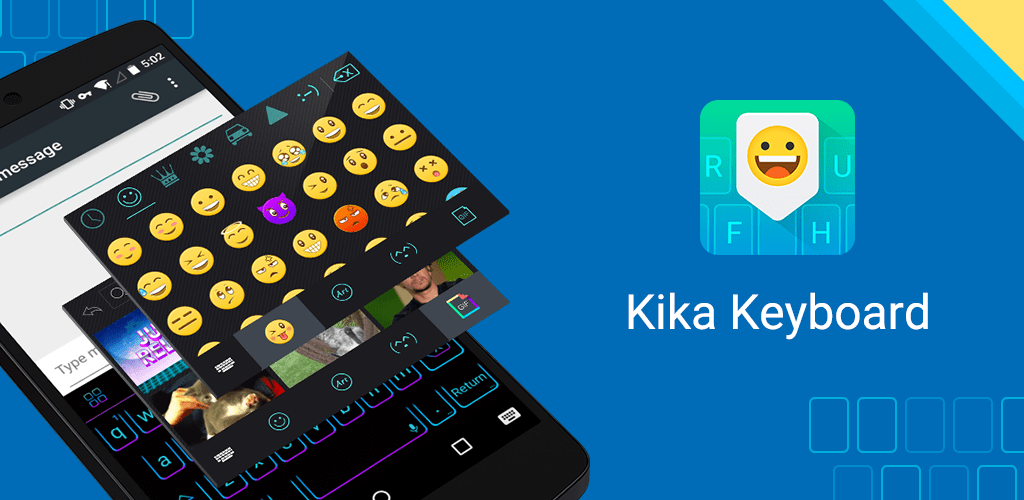
81TvlYQxDpLSeveral Android apps including the popular app “Kika Keyboard” have allegedly been found to be involved in an ad fraud scheme, with the companies claiming more than 700 million active users per month for their mobile apps. The involvement was discovered when an App Analytics Firm discovered inflated download, installation and click thru rates being reported. Furthermore, there is concern that the inflated numbers were obtained by accessing data without user permission. Apps that participated in the ad fraud scheme, used the inflated numbers to receive a higher payout from Publishers and Brands, thus stealing millions of dollars. Currently, Google has yet to take any action.

For many Publishers and Brands the objective for app downloads is to verify quality and usage. While there are companies that specialize in monitoring ad fraud, this highlights the security, privacy, and ad fraud issues in the Android app ecosystem and Google Play store.

Lawmakers Introduce Bill to Stop Bots From Ruining Holiday Shopping

getty_522735456_324978

As online shopping continues to grow during the holiday season, Lawmakers are introducing a new billed called the “Stopping the Grinch Bot Act” that will ban bots from purchasing items and reselling for a higher price. The new act is mainly being built to protect middle class families who save up to spend during Black Friday and Holiday’s online only to see their items being sold out in minutes by bots. Additionally, Law makers are viewing this act as a way to give back time to families to spend the holidays with their loved ones versus being camped outside the store for hours or days just for a deal.

Providing protection from bots allows an even playing field for online consumers. Furthermore, it shines a spotlight on bots and the ever-negative impact it has within the online environment. Here’s to taking down one bot at a time.

Canada Goose Rolls Out Sub-Zero Fitting Rooms

fitting-room-720x320Ever heard the saying, you can’t say you’re a comedian, rather you must tell a joke to prove you’re a comedian? Well, what better way to prove your jackets feel warm in cold climates than to have your customers test drive it out in chilly sub-zero temperatures?

To help customers try out its $1,000 parkas, Canada Goose Holdings Inc. is introducing frigid rooms to a range of their brick-and-mortar locations, enable shoppers a realistic moment to try before they buy.

This is a great example of bringing an experiential and ‘instagrammable’ aspect into their space, that helps overall sales objectives and PRability of the brand. It’s also adding a 5th sense to the experience, one that isn’t as common. What can we do that is more than smell and visual to create an experience within restaurants, or even more so, a pop-up to bring our senses to the outside?

Tommy Hilfiger and Foxtail Coffee Co. Partner to Create New Café Store Concept

os-cfb-foxtail-coffee-hubbly-bubbly-college-park-20180925

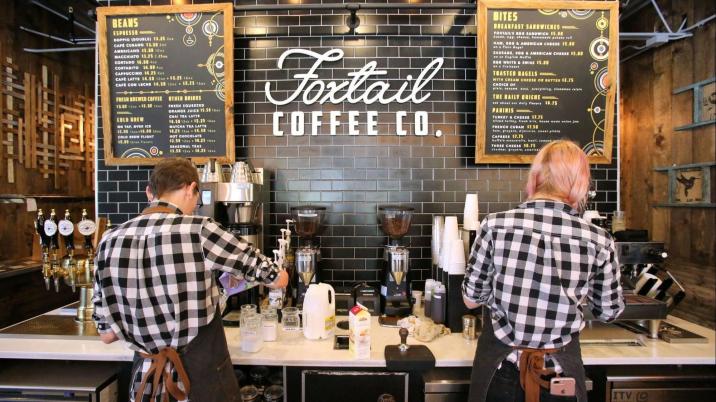
Tommy Hilfiger is partnering up with a local coffee shop, Foxtail coffee Co, to create an in-store café at their Orlando premium outlet location. This integration will give customers an added in store experience with hand crafted beverages and light food options fitted to the Tommy Hilfiger signature style. The partnership between the two brands came to be due to their brand’s mutual aesthetic of “Cool American Style”.

Co-brand integration can help drive the narrative and enforce both brand’s desired image. Using brand familiarity and associations, brands can tap into each other’s loyal followers. One important thing to note about the Tommy Hilfiger and Foxtail coffee partnership is within one market only with a local Coffee shop, therefore having an authentic voice to the community rather than a National play – that’s not to say they’re not likely to create content from it to further distribute.

Chatbot Customer Service capabilities chasing Phone’s tail

Telephone_0

Whether you view Chatbot/ Messenger technology as a passing fad, or believe that chatbots will revolutionize how people communicate and interact, the impact chatbots are having on online experiences is real…and it’s measurable. More recently, the rise of real-time messaging has led to a fundamental shift in how people prefer to connect with businesses.

In the on-demand, real-time world we live in, where everything seems to be just one click away, consumers expect to be able to find the information they’re looking for quickly and easily. The benefits reported in association to Chatbots is that 64% prefer the opportunity to have 24 hour service, and 55% like both an instant response and simple questions being answered instantly. It’s clear that consumers see chatbots as being able to provide that real-time, on-demand experience that they’ve been craving. However, that doesn’t mean chatbots are poised to replace humans. Because when it comes to getting expert answers, answers to detailed questions, and overall friendliness/ approachability, chatbots ranked much lower. Those are areas where humans will continue to shine. Based on a 2018 North Group survey, The phone is still the most popular way to connect with customer service for dealing with payment or billing issues (56%), resolving a problem (54%) and making account changes (43%). What’s important here to note however is the shift in attitudes, as the number of consumers citing the phone as their preferred channel slipped from 49% in 2015 to 43% this year. This shift is being driven in part by younger consumers. Millennials were the only age group to prefer digital means (44%) over phone (34%).

So, just like any emerging technology, chatbots will only become widely adopted if it’s shown that they can solve real problems. Otherwise, the novelty will eventually wear off. Given a lot of Jack locations are 24 hours a day, how are we combating bringing our customer service to 24 hours too? We have the opportunity to bring Jacks character and personality alive too, which could add a playful PR capability to the customer service.

Google Maps will let you chat with businesses

akrales_180620_1777_0011-1533225632

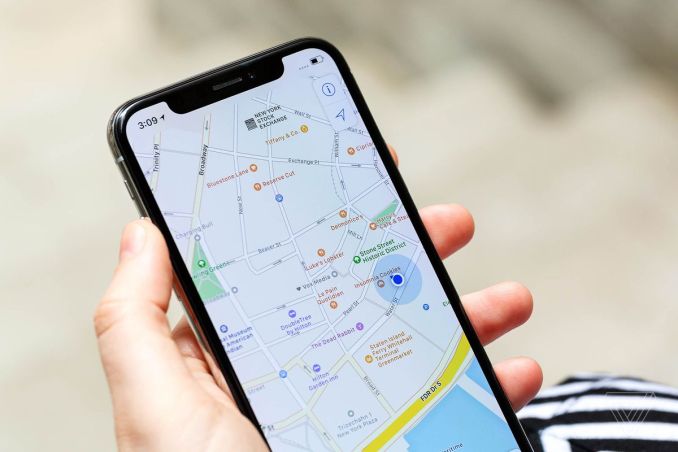
Google Maps is looking to incorporate social functionality by incorporating a chat function with businesses on maps. While it’s well established as a location and direction guide, previously allowing updates for consumers to rate and review businesses, it’s taking a step further in creating that connection between the user and store locations, with the chat functionality. Google sees this as a long-term initiative, driving competition in the likes of Yelp. But what does this function exactly mean for Google Maps’ identity? What is Google Maps now? Will it be the jack of all trades and a one stop shop for direction and more? Or will it only confuse users with a cluttered environment? We’ve highlighted the importance of 24 hour customer service, this chat functionality looks like it’ll further drive brands importance of having instant feedback/ communication, especially when they’re searching out a Jack location.

Facebook to debut “Digital Novel” experience on Messenger

facebook-messenger-101-chat-with-friends-without-facebook-account.1280x600

Facebook has partnered up with best-selling author James Patterson to exclusively release his new novel “The Chef” globally through Facebook messenger. This first of a kind digital novel will allow readers to immerse themselves into the storyline through visual and interactive content. Users will have the unique opportunity to search and interact with characters on Facebook, with exclusive video and audio content to help them tie back to the story. Lastly, Facebook is looking to expand the reader’s experience by providing a community with other readers as well as an exclusive Q&A with the author himself.

This partnership came as an easy step for James Patterson as his short writing style of aligned well with the Facebook Messenger’s platform, this partnership amplifies storytelling’s ability to adapt to new platforms given the adaption of consumers consuming mobile content on-the-go. We as brands to tell stories at scale, but not necessarily in long-written format – an opportunity to engage an audience that are directly leaning into content, in an environment they’re regularly actively participating.

Facebook could use your family photo to target ads

news-feed1

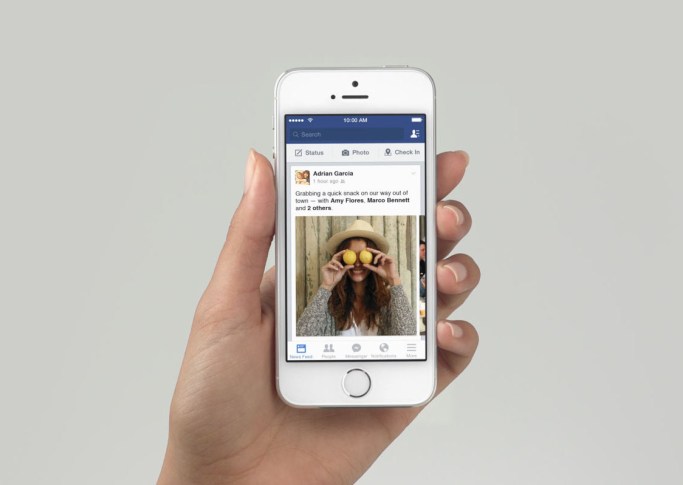
Facebook has filed a patent that would make it easier to target whole families with ads by analyzing the photos they post. The new system covers an algorithm that would identify elements of photographs — like faces or other details— and cross-reference them with other data to build a profile of an entire household. Facebook earlier this year revised their algorithm, so to prioritize what their friends and family share and comment on, while de-emphasizing content from publishers and brands. Followed now by the recent launch of the Portal that included advanced face-tracking features for its “smart camera” which aimed particularly at helping people connect with children or grandchildren. It seems incidentally, that Family is going to become more of a focal point for the network.

Facebook doesn’t go into what “demographic composition” covers, however the description touts a way to hyper-target users based on household size, household member characteristics, shared interests, which household members use which electronic devices, and whether those users are Facebook members. Ultimately, it’s just another way to improve the efficiency of their targeting.

1 out of 3 Americans eat Fast Food

fast-food-family

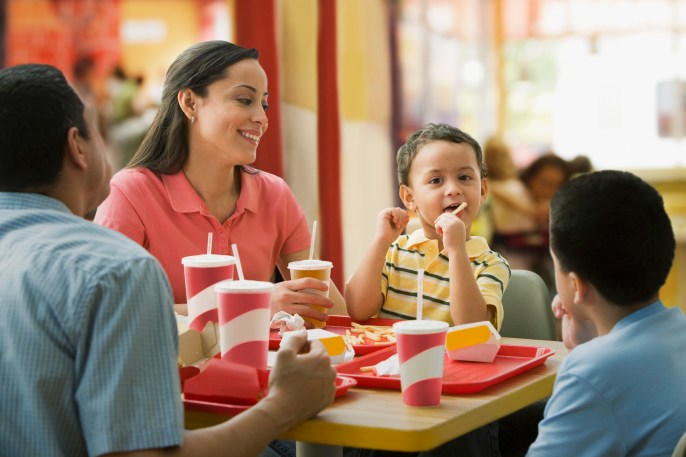
Almost 1/3 of the adult American population consumes fast food, a finding from a recently published study from the Center for Disease Control and Prevention. While the point of this study is for the public to be aware of the health implications of mainly sodium and calories, we can gain insights about who is in fact is consuming Fast Food to help re-evaluate our potential audience base. Key take-aways are:

  • Younger Americans eat more frequently than older Americans (45% of 20-39 vs. 24% of 60+)
  • African-Americans frequent more than White and Hispanic Americans
  • Higher income frequent more than lower income
  • Men and women dine equally
  • Breakfast and snacks day-parting sat at 22%, compared to lunch at 43%, and dinner at 42%

In summary, the overall percentage of adults who consumed fast food decreased with age, increased with income, and was higher among non-Hispanic black persons compared with other race and Hispanic-origin groups. Among men and women who consumed fast food, a higher percentage of men ate it for lunch, while a higher percentage of women ate it as a snack.

Although this is just one source, there’s some key learnings that could drive a change in audience strategy & our day-parting product messaging for Jack in the Box.