BevMo! Hears the Voice of the Consumer

BevMo

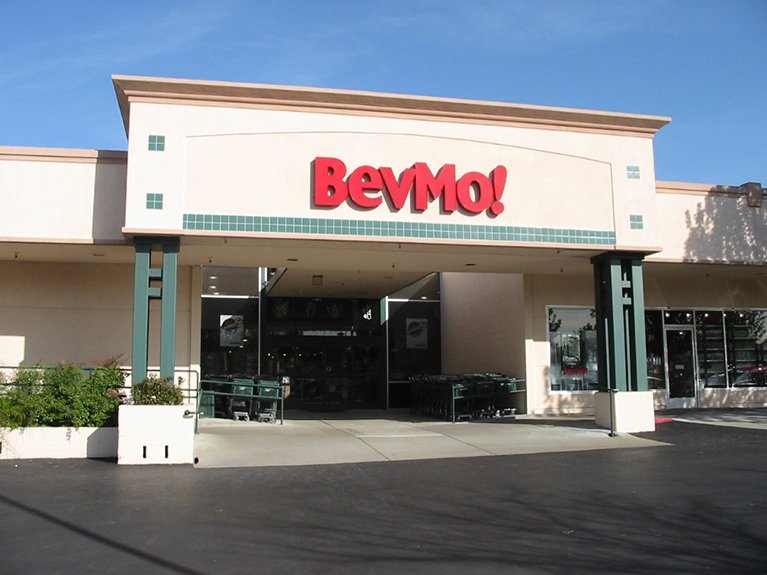
BevMo! Is testing out new voice activated shopping assistant, SmartAisle, to help recommend drinks for shoppers within select California stores only. SmartAisle will be voice activated using AI technology to provide customer support at the point of sale. Shoppers will also have a chance to ask about specific bottles/ brands and receive recommendations for similar tastes. This new feature is aimed to provide a quick and convenient service for a better shopping experience.

As we’ve established in recent articles, Voice Search is becoming more prevalent across multiple devices and home-ordering is showing no signs of slowing down with Home Assistants allowing customers an easy and alternative option to in-app delivery. As voice Technology advances, there is an opportunity for in-store AI POS system to be implemented to help customers order and push new or existing products based on historical data.
Five Things Retailers Should Know About Millennial Shoppers

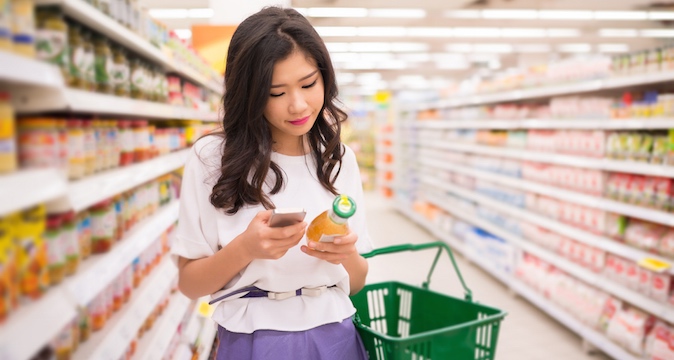
Reading information about product

Millennials hold an enormous influence within all industries, and as this generation continues to mature, so does their digital usage. Brands need to learn to adapt and ensure they are reaching Millennial’s not only with an authentic voice but also the following:

  • Retailers must bridge the gap between in-store and online given that two thirds of Millennials use both platforms to research before making a purchase decision
  • Brands should not ignore the “buy” button and look to incorporate it within their social platforms given that Millennials rank high in social purchases
  • Email marketing continues to be a workhorse for digital marking with guaranteed results
  • Millennials are most likely to embrace emerging Technology, therefore having a favorable reaction to brand messaging through different mediums
  • Lastly, Millennials are willing to bypass the human interaction at POS and favor an automated system

Jack in the Box has already made strides in adapting to emerging and maturing Technology as we continue to refine delivery options and amplify messaging through various online and social channels that speak authentically to Millennials. While Jack in the Box does not use automated POS system, we’ve seen other brands in the QSR space lean in to help reduce labor cost. According to the eMarketer Ecommerce Survey, 57% of A18-34 regularly use an automated POS system therefore introducing an automated system would be welcomed and easily adapted to.

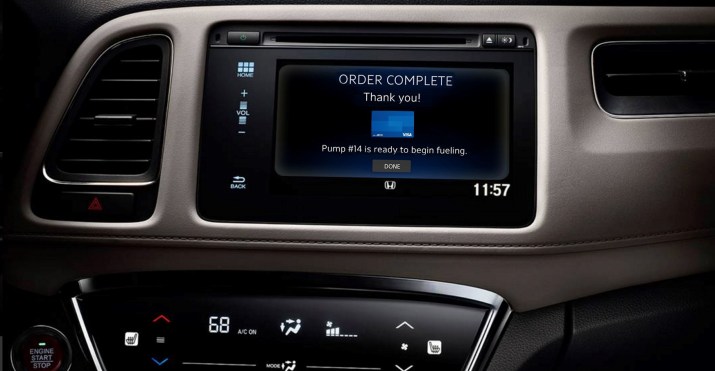
Honda In-Vehicle Payments Now Support Visa, Mastercard, PayPal

visa_mwc_16_connected_car_honda_fuel_complete_f (2)

In continuation of Voice, Honda’s Dream Drive prototype looks to include a range of voice activations in-car such as payments for fuel, parking and movie tickets, and location sharing, etc. Roughly 99 million commuters across the US are now connecting their auto dashboards online and Honda is jumping on the chance to bring voice command purchasing to the masses. Visa, Honda’s original in-car payment partner, is committed to expanding its capabilities to make sure drivers have access to purchase a variety of consumer goods all within the comfort of one’s vehicle. Mastercard and Paypal have been added as partners to increase the method of payments drastically.

The power of voice capabilities in vehicles redefines what you can do while driving, and is literally “on the go”. Being able to look up directions, restaurant reviews and nearby gas stations all through voice commands makes for less distracted drivers. The voice feature also can play movies, games and access online search capabilities. The smart technology featured in these vehicles is an extra layer of connectivity in which provides the driver a customizable and ease-filled experience. It will no longer be enough to be mobile friendly, but brands will need to think beyond that to capture every bit of attention of the consumer.

Lululemon Opens Pop-Up Library

img_2032

Lululemon is partnering with Penguin Random House to execute a pop-up library around New York City. This popup featured over 1000+ books that were available via physical books, devices and audiobooks. Accompanied with this experience there were also celebrity appearances and curated food experiences.

The premise behind this unique partnership is to gauge enthusiasm for a loyalty program that Lululemon is testing. For $128 a month, subscribed Lululemon loyalty members have access to curated experiences, free shipping and other reward programs. Lululemon sales has seen double digital increases since implementing this test loyalty memberships.

What’s interesting here is that Lululemon has moved away from selling pure products, into offering a lifestyle loyalty program and it’s clearly resonating. We talk about needing to connect authentically for Jack surrounding experiences, and this is a perfect example of a brand doing that successfully. Loyalty programs show increased brand affinity and actively sway consumers to be continued costumers. We should be thinking of how we can we look to drive a brand experience that includes loyalty outside of pure product LTO promotions.


Payless Opened a Fake Luxury Store, ‘Palessi,’ to See How Much People Would Pay for $20 Shoes

screen-shot-2018-11-29-at-11-36-09-am

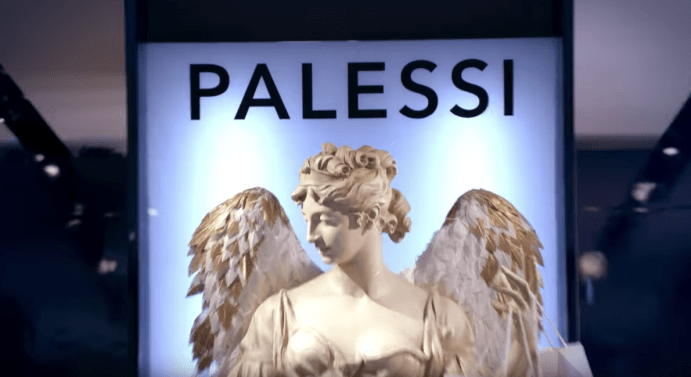
Payless opened a fake pop up luxury store “Palessi” and invited social media influencers to trick them into buying their $20-$40 shoes for over ten times the price. The plan worked! The influencers believed they were buying luxury shoes and even were willing to be interviewed about their purchase. Many commented on the material and style of the shoe and how it was worth the money. Imagine their surprise when they found out their shoes can be bought at Payless. This Payless PR stunt immediately found success.

Brand perception is important, Payless is known for their low prices, but low prices can also make a consumer perceive items as cheap and low in quality as well. What Payless did was to prove that despite a low price their items are high quality and modern. Additionally, it played on the power of branding utilizing everything from the fancy venue, name, pricing and invitees to create an illusion of a high-quality brand. Within the QSR space, lower prices don’t necessarily mean low quality items, this is where branding becomes an important factor. This is not limited to Marketing, but it can extend to venue, employees and service. As the QSR becomes crowded, branding becomes key to differentiate from the others.

Target Uses AR To Sell Christmas Trees

Target-Takes-On-Alexa

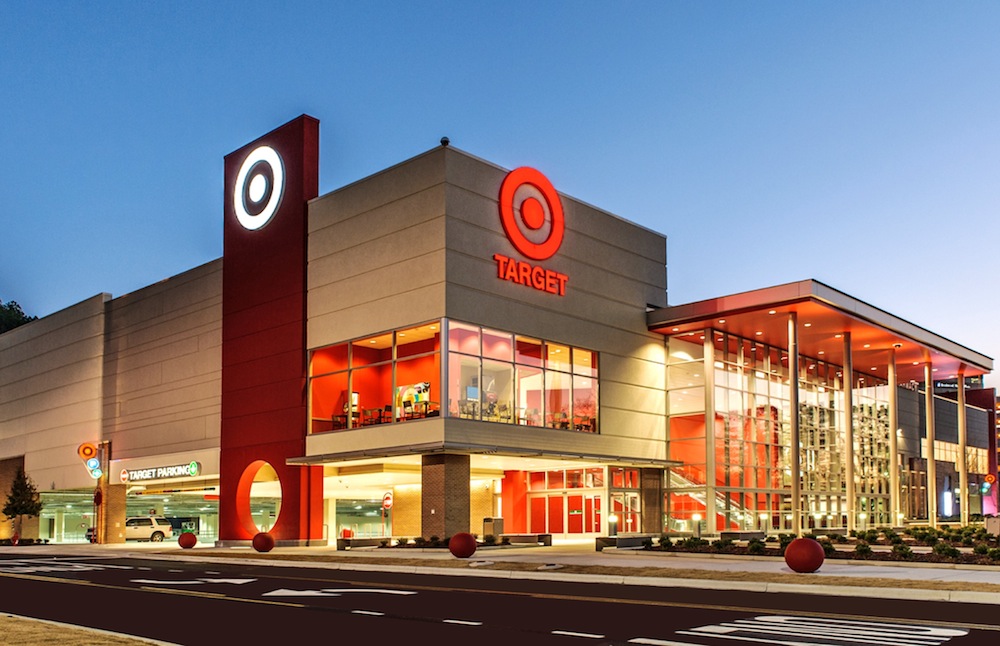
Target is using AR in their app for users to visualize their Christmas tree shopping. “See It In Your Space” is part of the Target app that allows customers to virtually place a tree and other décor items in their home.

It seems Target is taking advantage of the market space that’s opened after Toys R Us and Sears stores closures, and furthermore trying to compete directly with Amazon. Features such as expedited shipping and utilization of technology in the user experience have proven efficiency for Target as Christmas trees have been selling at twice the normal rate.

Target’s introduction of AR is not new, but it’s likely taking learnings from companies such as IKEA, who have seen success with the same tech capabilities that utilize AR to imagine your room with IKEA furniture through its app – which saw over 2 million app downloads and 2.3 billion visitors to the website, showcasing it has a positive effect on overall business, not just app downloads.

Target is another brand that’s found a perfect way to educate and bring AR technology to consumers in a way that’s both of benefit to the consumer, fun and easily digestible way. As AR continues to grow, we need to future think how we can utilize this technology within our app to benefit the consumer.

Select Safeway Stores Offer First AI-Powered Medical Clinics

safeway

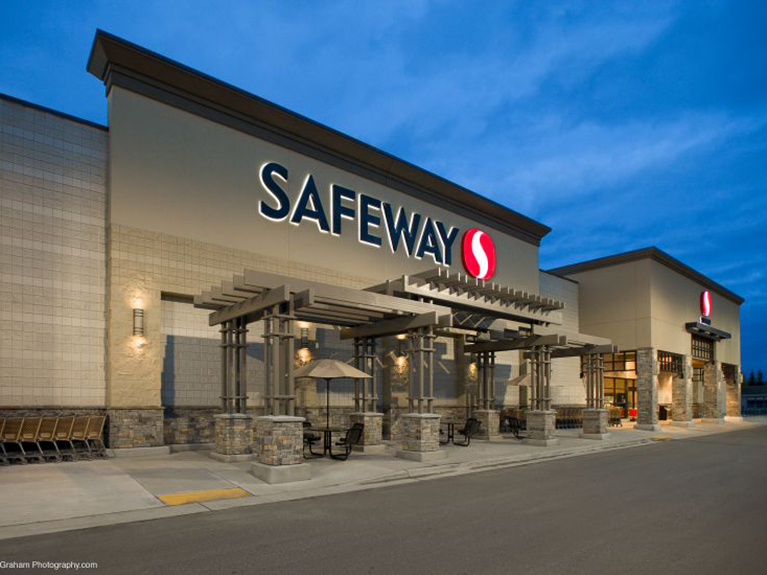
Two select Safeway phoenix stores have partnered with Akos Med Clinc to offer AI powered medical clinics in the Safeway stores. The AI clinics will have patients sit in front of a computer screen that will have an AR guide them with FDA approved simple to use medical devices to collect their own data, such as weight, temperature, blood pressure and blood oxygen content, as well as ear, nose and throat images to chest, lung and abdomen sounds. The entire process is estimated to take 15 minutes. The kiosks will function as a regular ‘in-doctor’ visit with a diagnosis, prescription, and follow ups to check on a patient’s progress.

As technology advances, AI is starting to become accepted and less feared by consumers. The partnership with Safeway and a clinic showcases how AI is even allowed to be part of a person’s sensitive medical information, an indication of where many industries are leading to. With AI becoming more prominent it would not be too farfetched to believe AI can potentially replace all POP focused industries within the near future.

Lawmakers Introduce Bill to Stop Bots From Ruining Holiday Shopping

getty_522735456_324978

As online shopping continues to grow during the holiday season, Lawmakers are introducing a new billed called the “Stopping the Grinch Bot Act” that will ban bots from purchasing items and reselling for a higher price. The new act is mainly being built to protect middle class families who save up to spend during Black Friday and Holiday’s online only to see their items being sold out in minutes by bots. Additionally, Law makers are viewing this act as a way to give back time to families to spend the holidays with their loved ones versus being camped outside the store for hours or days just for a deal.

Providing protection from bots allows an even playing field for online consumers. Furthermore, it shines a spotlight on bots and the ever-negative impact it has within the online environment. Here’s to taking down one bot at a time.

Canada Goose Rolls Out Sub-Zero Fitting Rooms

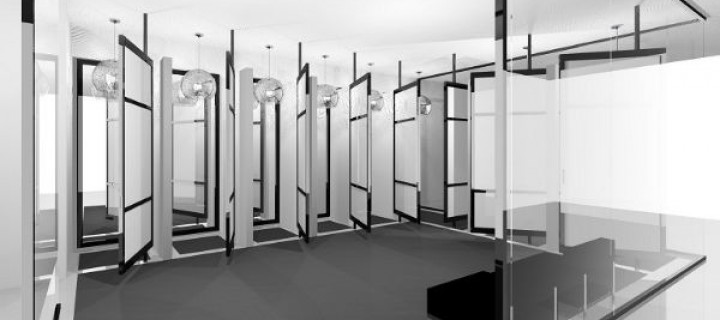
fitting-room-720x320Ever heard the saying, you can’t say you’re a comedian, rather you must tell a joke to prove you’re a comedian? Well, what better way to prove your jackets feel warm in cold climates than to have your customers test drive it out in chilly sub-zero temperatures?

To help customers try out its $1,000 parkas, Canada Goose Holdings Inc. is introducing frigid rooms to a range of their brick-and-mortar locations, enable shoppers a realistic moment to try before they buy.

This is a great example of bringing an experiential and ‘instagrammable’ aspect into their space, that helps overall sales objectives and PRability of the brand. It’s also adding a 5th sense to the experience, one that isn’t as common. What can we do that is more than smell and visual to create an experience within restaurants, or even more so, a pop-up to bring our senses to the outside?

Tommy Hilfiger and Foxtail Coffee Co. Partner to Create New Café Store Concept

os-cfb-foxtail-coffee-hubbly-bubbly-college-park-20180925

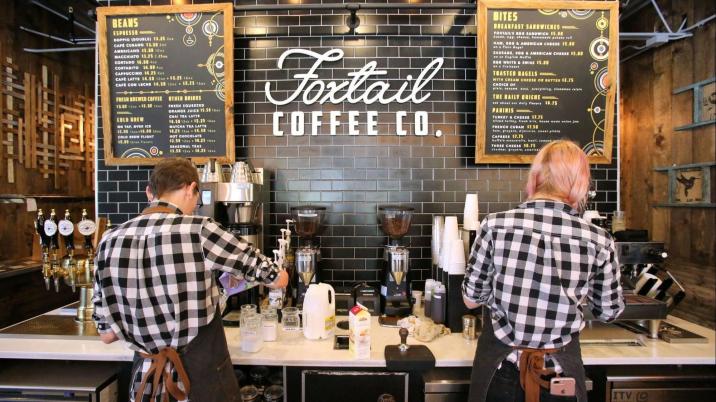
Tommy Hilfiger is partnering up with a local coffee shop, Foxtail coffee Co, to create an in-store café at their Orlando premium outlet location. This integration will give customers an added in store experience with hand crafted beverages and light food options fitted to the Tommy Hilfiger signature style. The partnership between the two brands came to be due to their brand’s mutual aesthetic of “Cool American Style”.

Co-brand integration can help drive the narrative and enforce both brand’s desired image. Using brand familiarity and associations, brands can tap into each other’s loyal followers. One important thing to note about the Tommy Hilfiger and Foxtail coffee partnership is within one market only with a local Coffee shop, therefore having an authentic voice to the community rather than a National play – that’s not to say they’re not likely to create content from it to further distribute.