Alexa Can Now Deliver the News Like a Professional Newscaster


alexa

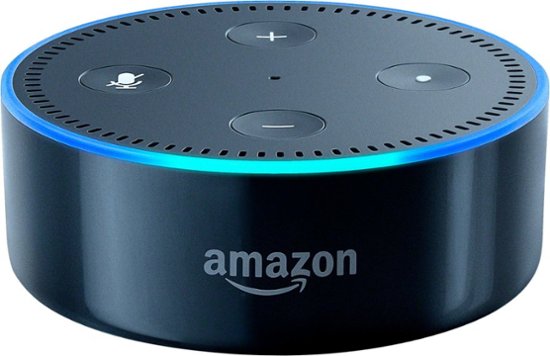
Alexa has had a reboot to their neutral tone to now deliver news like a professional newscaster. The Alexa team has made strides in “neutral text to speech” to implement this newscaster voice that will replicate the same cadence and tone normal newscasters give on television broadcasts. The changes in the news delivery are subtle, but it is easier to tell when a sentence ends or when Alexa is reading a headline. As Alexa’s voice continues to develop over time, the possibilities and applications for smart assistants become endless.

Voice continues to be a continuous topic in the world of smart assistants that goes both ways; humans to machines and machines back to humans. Alexa’s change in tonality allows consumers to easily relate and become susceptible to listen to their device. Additionally, it provides a comfort to consumers and makes the “talking to machine” experience less strange. For instance, some insurance brands have opted for a more human voice to their AI customer service. They recognize that after unfortunate events their customers want to be comforted and not want to feel they are another customer but actually heard. Having that human touch allows them to feel connected emotionally. This example shows how important it is for brands to keep their voice not only genuine but also have that human connection.

Mobile Spending Power Dominates in 2018 with QSR as Major Vertical

nl

App Annie, an app analytics platform, released consumer spending trends and predictions within major verticals including Gaming, Retail, Restaurant & Food Delivery, Banking & Finance, Video Streaming, Social Networking & Messaging, and Travel.

Across all verticals, a common theme was as time spent on mobile devices and apps increased significantly, so did spending. Total spending power on app stores is expected to surpass $120 billion in 2019, as consumer spending pattern continues to shift heavily toward mobile.

Time spent in shopping apps globally totaled 18 billion hours in 2018, and mobile is expected to be 75% of total e-commerce transactions by 2021. This is evident in brick-and-mortar giants like Target and Walmart integrating mobile in loyalty programs, POS payments and in-store mapping systems. Similarly, mobile gaming companies have utilized the hyper-casual gaming such as Helix Jump or Hole Jo to grow and separate themselves from console gaming. In-app spending within gaming is expected to reach 60% of all consumer spend in 2019.

QSR is taking advantage of where people are spending time and money, as consumption of food and drinks services through apps globally increased 150% from 2016. We saw heavy investment in promotions focused not only on LTO’s, but on mobile and app usage. McDonald’s and Chick-Fil-A led the loyalty programs promotions scene, while Burger King set a standard on promoting app downloads with the $0.01 Whopper campaign, hitting #2 on overall downloads on December 5 and resulting in significant MoM sales performance.

Pizza Hut Expands Beer Delivery

636480822717653448-pizza-hut-beer-image

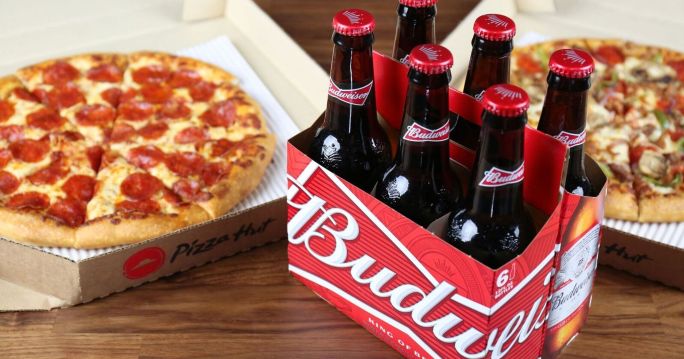
Pizza Hut recently announced that it will be expanding its beer delivery test to 300 locations across 7 states after a brief, yet successful test in 2017; and the plan is to continue to expand this beer delivery service to over 1000 restaurants by this summer. With beer delivery, Pizza Hut is becoming a pioneer for traditional pizza chains and trying to differentiate itself from its competitors, primarily Dominos, which recently edged Pizza Hut out as the world’s largest pizza chain.  Currently, Dominos does not offer any alcoholic beverages and has remained consistent in their sale of soft drinks.

Pizza Hut is the official pizza chain of the NFL for the first time, and this news comes at a very opportune time – prior to the Super Bowl. It forecasts that over 85% of Americans are expected to serve both pizza and beer at their Super Bowl parties, so it’s a cultural moment that Pizza Hut is looking to capitalize on. Over the past year, Pizza Hut has worked to revitalize the brand through value promotions and a focus on growing delivery.

Only a select few QSRs have tested serving alcohol in their restaurants (Chipotle and Taco Bell), with Taco Bell looking to cut out the middle man and make the service of alcohol the norm at their cantina locations. Since this is a new trend, no studies have been conducted yet to show the sales lift, if any, this sale of alcohol has caused. We suspect it to have had a positive affect given the heavy increase in restaurant delivery service. With Pizza Hut adding beer to their delivery services, and competitors like Taco Bell experimenting with alcohol on their menu, could we perhaps explore the idea during of alcohol during late-night hours or potentially involving alcohol within one of our thresholds promotions?

A New Category Of Wearable Emerges

the-airpods-biggest-design-flaw-is-actually-their-greatest-strength--heres-why-i-think-apple-got-it-right

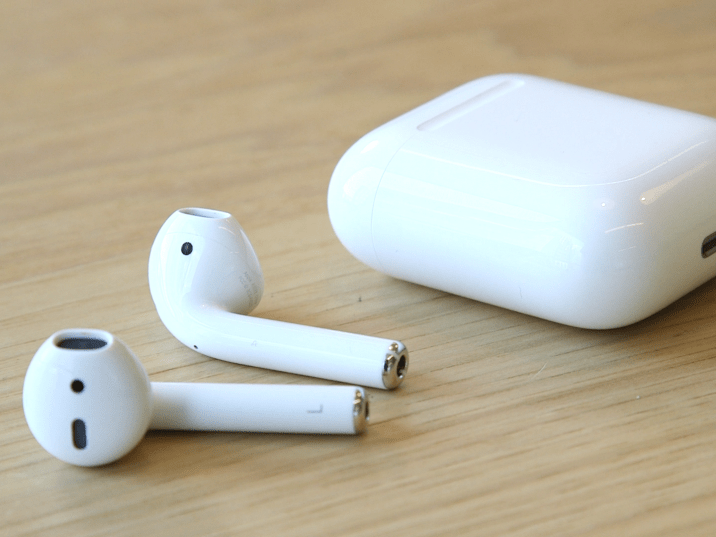
A new category of Wearable technology has emerged in the case of ‘Hearables’ (think Apple AirPods), which are becoming increasingly smarter with Apple’s Airpods soon to be able to respond to Siri in late 2019. According to CCS Insight, shipments of these wireless devices rose from 2 million in 2017 to 6 million in 2018 and a Gartner forecast from November 2018 shows that ear-worn devices are estimated to surpass those of smartwatches by 2022.

Although only 1.4% of wireless headphone owners interacted with voice assistants in 2018, Voice continues to be the next step in the evolution of how people interact with information since it’s more natural than using a keyboard or touchpad, and requires less steps to gather the information. Thus, this number is expected to increase drastically with Google, Amazon, and Microsoft all expected to launch hearable products in the near future to compete against AirPods.

With Jack in the Box having a very distinguishable tone and voice, there is a tremendous opportunity for Jack in the Box to utilize these near wearables to create a connection to the brand.  People will be out and about their day with these hearable devices and be able to ask Siri/Alexa anything, whether it be the time of day or ordering Jack in the Box via Postmates. These headphones will also have the functionality for 3D audio which we can provide the ability to give consumers an expanded listening experience while going about their daily lives.

Honda In-Vehicle Payments Now Support Visa, Mastercard, PayPal

visa_mwc_16_connected_car_honda_fuel_complete_f (2)

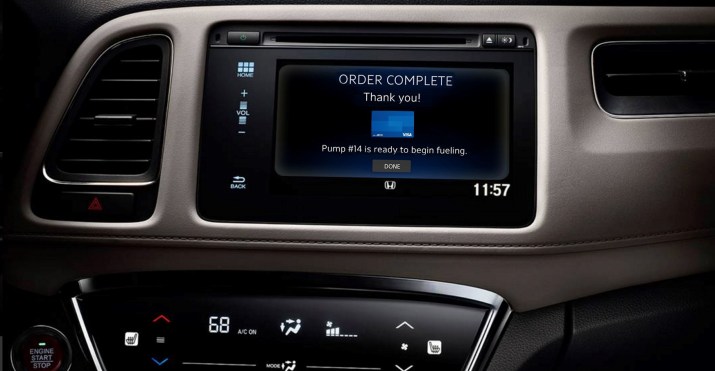
In continuation of Voice, Honda’s Dream Drive prototype looks to include a range of voice activations in-car such as payments for fuel, parking and movie tickets, and location sharing, etc. Roughly 99 million commuters across the US are now connecting their auto dashboards online and Honda is jumping on the chance to bring voice command purchasing to the masses. Visa, Honda’s original in-car payment partner, is committed to expanding its capabilities to make sure drivers have access to purchase a variety of consumer goods all within the comfort of one’s vehicle. Mastercard and Paypal have been added as partners to increase the method of payments drastically.

The power of voice capabilities in vehicles redefines what you can do while driving, and is literally “on the go”. Being able to look up directions, restaurant reviews and nearby gas stations all through voice commands makes for less distracted drivers. The voice feature also can play movies, games and access online search capabilities. The smart technology featured in these vehicles is an extra layer of connectivity in which provides the driver a customizable and ease-filled experience. It will no longer be enough to be mobile friendly, but brands will need to think beyond that to capture every bit of attention of the consumer.

Organic Product Sales Increase, Driven By Millennials, Hispanics

organic

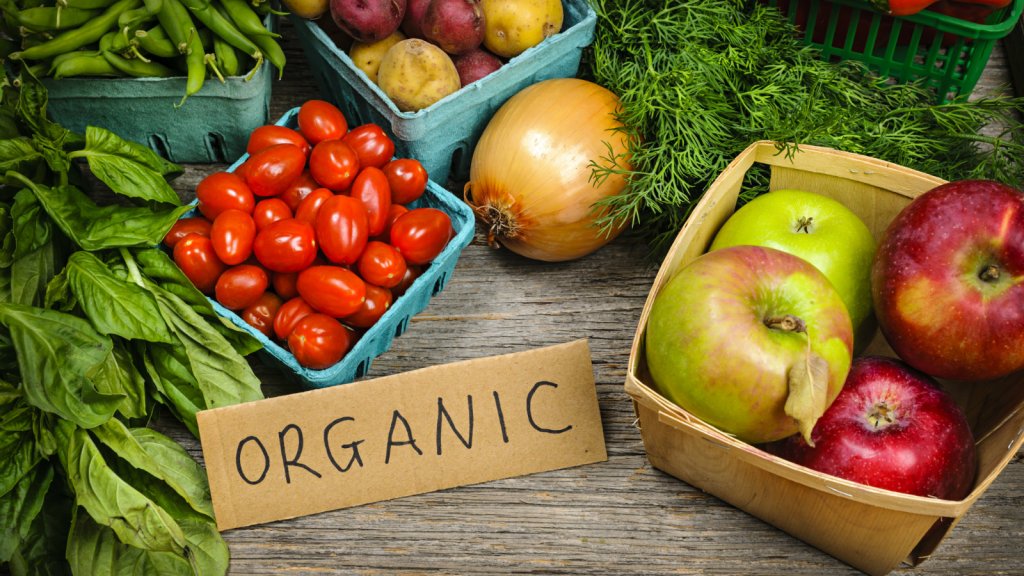
Trends have shown that sales in organic products has increased according to a year over year study by Nielsen, in part, due to Millennials and Hispanics. Millennials saw a 14% YOY increase in purchasing organic products while Hispanic’s saw 13% YOY increase.

Key organic products that saw the biggest spike in sales were: Kombucha (42%), sandwich bread (18.8%), of key relevance to our W4 product launch – fresh chicken (11%), and chicken eggs (6.9%). Studies have shown that young adults are overwhelmingly more health conscious than previous generations, actively making purchasing decisions that reflect these values. The younger generation tend to want to support businesses/products that are environmentally sustainable while it’s suggested that Hispanic consumers are overwhelmingly connected with organic items because traditional cultural recipes rely on those ingredients.

For the food industry to attract these healthier-minded millennials and Hispanics, who have a strong buying power and an even more evolved perception of food/health, food companies need to stay aware of emerging trends across the industry to stay relevant to these consumers. Their menu must adapt to a changing food ideology – we have seen a number of Fast Food companies (Chipotle, Chick-Fil-A, Burger King) recently attempt to implement “healthier” menu items to attract these audience segments. Given W4 launch is surrounding chicken, do we know if Jack have a POV on organic or non-gmo ingredients?

Damo Academy: 10 Key Trends Shaping Tech In 2019

emerging-tech-trends-in-2018

Damo Academy, a research center for scientific and technological advancement, compiled a list of their top ten emerging trends that are influencing the tech industry leading ahead of 2019 – with a focus on smart-technology, privacy and speed:

 Smart Cities

  • Traffic simulations to accurately combat the growing issue of traffic in major urban cities, where tech algorithms can help cities incorporate smart infrastructure to promote increased mobility.


Speech AI

  • Text-to-Speech tech advancement where AI speech could sound identical to that of a Human voice.


Specialized AI Chips

  • Smart chips to process a mass amount of data at a fast speed to improve performance of devices.


Machine “Common Sense”

  • Speech AI technology incorporated into human interacting machinery, so that machines make rational, human-like decisions


Computing Architectures

  • Developing AI will allow for computing technology to run stronger performance as well as increased energy efficiency with the help of advanced memory devices.


5G Networks

  • Wireless technology is going to become increasingly fast in the next year, boasting 100x the speed of its 4G predecessor.


Digital Identity

  • The rise of wearable and wearable devices is developing a second form of online identification. People are becoming accustomed to a more personalized technological experience which builds trust.


Autonomous Driving

  • Vehicles are on the verge of implementing advanced self-driving technology for personal and public transportation.


 Blockchain Applications

  • With cyber security on the forefront of emerging technological advances, companies will be increasing their use of blockchain applications to ensure all data is secure from outside parties.

 Data-Protection

  • Companies are now taking active measures to make sure all personal information for individuals are protected and safe from invasive data breaches.


The top tech trends of 2019 are mostly centered around the concept of having a faster, more personalized and private experience. Technology is getting smarter to the point where it can almost mimic the experience of a 1:1 human interaction, in part due to the promise of faster and smarter machines.

Previously consumers have been weary of trusting emerging technology out of fear of the unknown. The more human-like a machine is capable of acting, the more it can resonate trust with the consumers. Brands who attach themselves with these technologies who are connecting with consumers also have the potential to show that they are both at the forefront of the tech landscape but also care about a genuine human connection.

Finally, consumers understand that data is “give-and-get”. The more data consumers give, the more they are willing to get from companies. With those of the “giving” comes in the form of personal data, consumers want to make sure they are not being taken advantage of and value companies who make a consistent effort to keep people’s information private and continue to give engaging content.

Lululemon Opens Pop-Up Library

img_2032

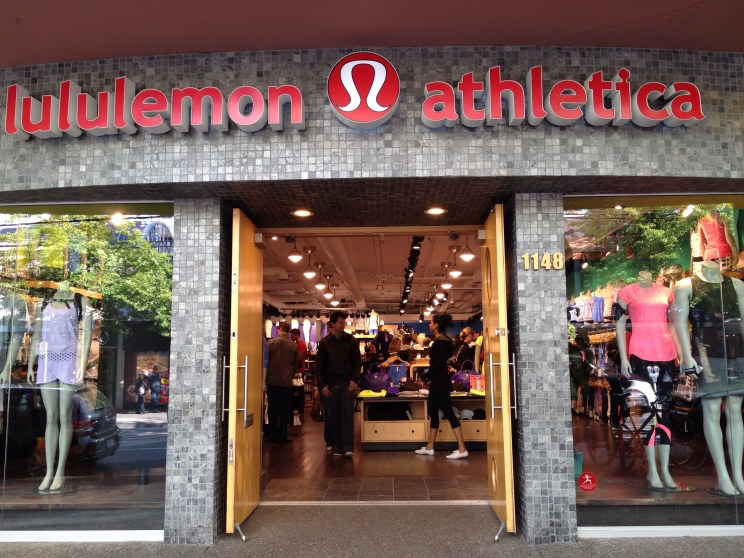
Lululemon is partnering with Penguin Random House to execute a pop-up library around New York City. This popup featured over 1000+ books that were available via physical books, devices and audiobooks. Accompanied with this experience there were also celebrity appearances and curated food experiences.

The premise behind this unique partnership is to gauge enthusiasm for a loyalty program that Lululemon is testing. For $128 a month, subscribed Lululemon loyalty members have access to curated experiences, free shipping and other reward programs. Lululemon sales has seen double digital increases since implementing this test loyalty memberships.

What’s interesting here is that Lululemon has moved away from selling pure products, into offering a lifestyle loyalty program and it’s clearly resonating. We talk about needing to connect authentically for Jack surrounding experiences, and this is a perfect example of a brand doing that successfully. Loyalty programs show increased brand affinity and actively sway consumers to be continued costumers. We should be thinking of how we can we look to drive a brand experience that includes loyalty outside of pure product LTO promotions.


How Church’s Chicken is Breathing Life Into the Brand

c700x420

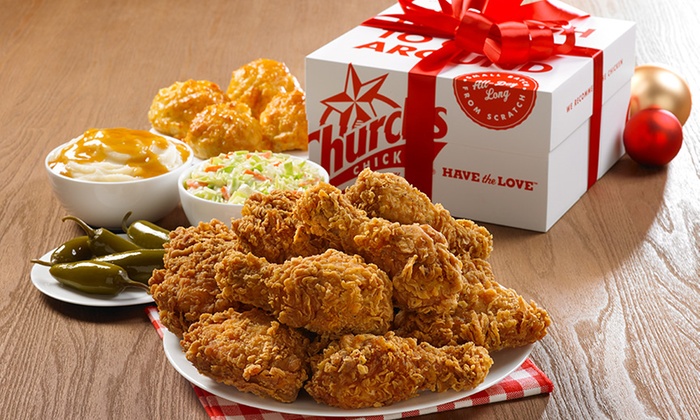
Church’s Chicken is poised for a big 2019 after posting its best sales year since 2014. Historically, Church’s has relied on itself being a ‘Legacy’ brand with a 66 year history and very loyal customer base. Recently, they have shifted their marketing strategy to become highly digital and consumer-centric, which has a boosted this tremendous lift in sales. The biggest challenge facing Church’s is to continue to speak to their older fan base through traditional forms of media while also reaching the younger millennial audience across digital channels.  While they understand they are still in the early stages of creating a digital footprint for the brand and building out their social channels, one thing that has helped them is their seamless story telling of their brand across both traditional and traditional fronts to maintain that consistent brand message across all age groups.  They have been able to convey the continuous message of, “real food, real people” and create a unique sense of digital accessibility.  Wherever and whoever is looking for information, Church’s digital environment aims to be easy to navigate.

The way Church’s approach has shifted to digital shows that they’re attempting to expand their audience base, while at the same time keep their old models not to exclude the older fan base. It seems that the consistent brand message & tone has played a vital role in the success against the expanded audience understanding.

In-In-Out Is A Better Place To Work Than Google?

innout-1

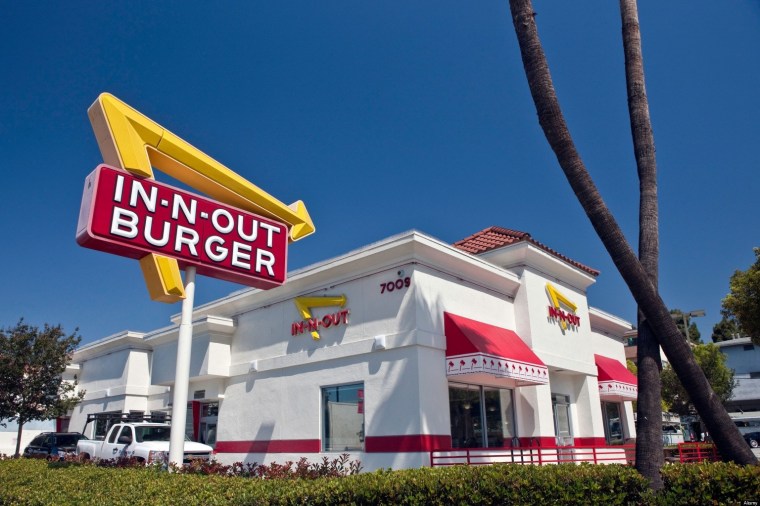
In n Out has been named the third best place to work at by Glassdoor’s annual rankings, beating big companies such as Google and Facebook. While the QSR industry is not always seen as the best place to work at, the West Coast Burger Franchise has made strides to change that perception. Their focus on their employees has placed In n Out as the one top places to work at, a title given to only two other restaurants out of 100 companies.  In n Out has garnered a reputation as an employee-focused organization that promotes in-house growth in the restaurant and corporate level due to their accommodating hours, benefits and friendly work environment.

The QSR industry is still seen as a lower tiered job, but changing those preconceived notions will require a shift of focus towards employees and ensure they are satisfied with their employment. There are many studies that show employee happiness and satisfaction is tied to an increase in productivity and company success, and In n Out has understood this by investing in their employees thus has seen an increase in sales and customer satisfaction. Ultimately this highlights that a company doesn’t need to be a Multi-Million Tech company to cultivate a happy and satisfying work place for its staff.